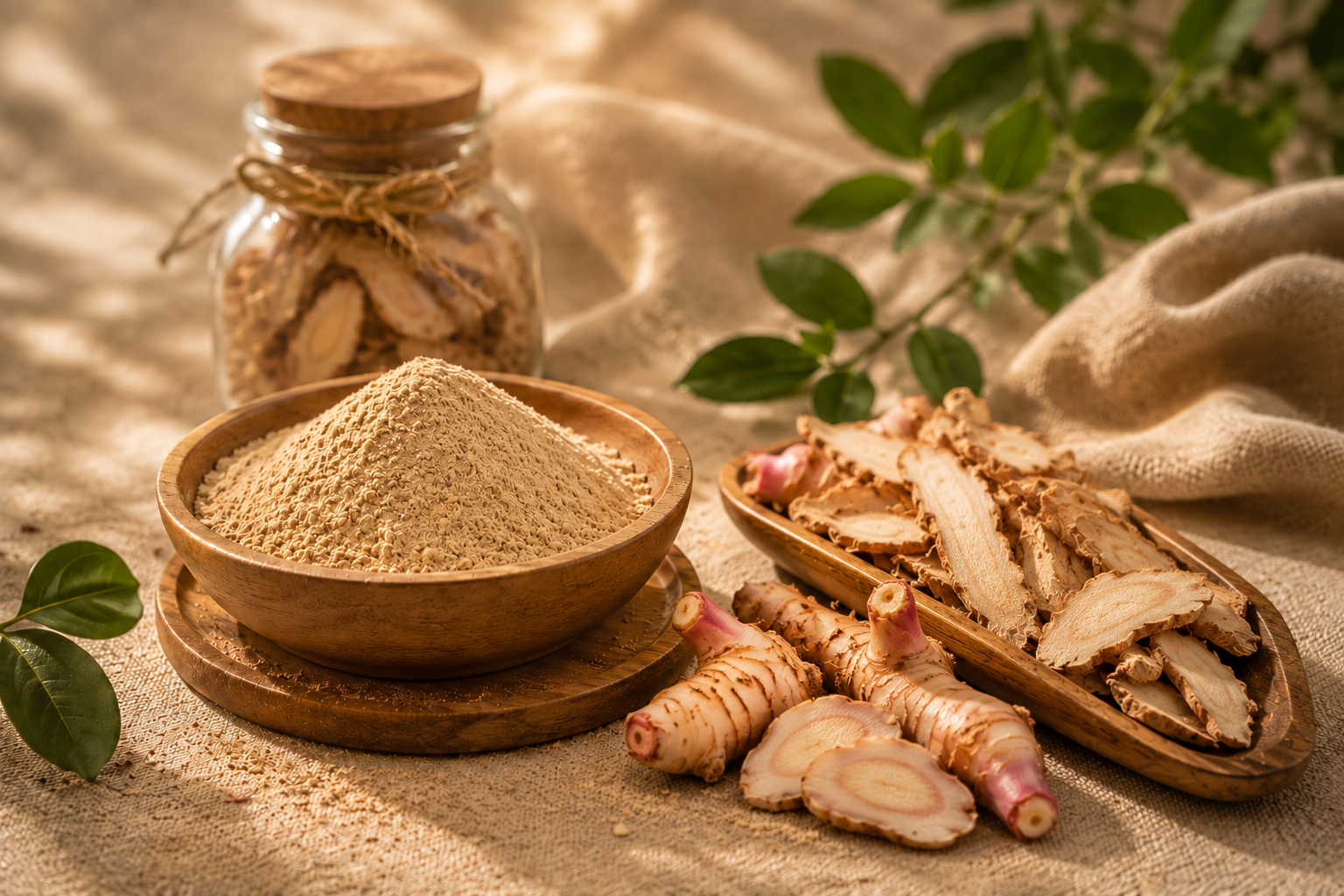
Galangal (Alpinia galanga), commonly known as greater galangal, is one of the most important medicinal and culinary plants in Southeast Asia. For centuries, galangal has played a significant role in the daily lives of local communities, not only as a spice and flavoring agent but also as a traditional remedy for various health conditions. Its distinctive aroma and pungent taste have made galangal an essential component of traditional medicine systems in many Asian countries, particularly Indonesia, Thailand, and Malaysia. Due to its numerous health-promoting properties, galangal is widely utilized in traditional medicine, pharmaceutical products, food and beverages, cosmetics, and dietary supplements.
Galangal belongs to the Zingiberaceae family, together with other well-known rhizomatous plants such as ginger, turmeric, and kencur. The plant is characterized by its large rhizome, reddish-brown outer skin, and aromatic white flesh. Compared with other members of the ginger family, galangal possesses a stronger and sharper flavor profile, making it highly desirable in culinary applications and herbal preparations. In addition to its culinary importance, galangal has long been used in traditional medicine to help relieve digestive disorders, reduce inflammation, alleviate muscle pain, and support respiratory health.
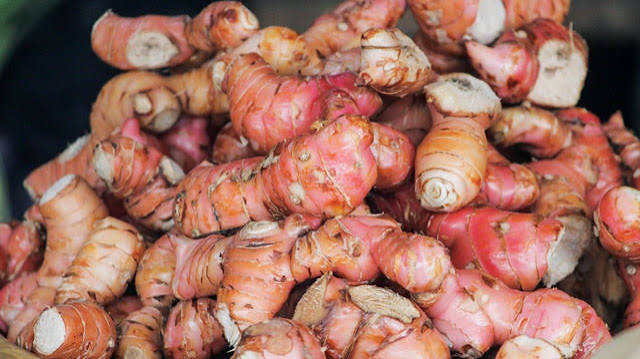 Image Courtesy : halodoc.com
Furthermore, galangal is a rich source of bioactive compounds, including essential oils, flavonoids, galangin, alpinin, cineole, eugenol, and various phenolic compounds that contribute to its medicinal properties. These compounds exhibit antioxidant, anti-inflammatory, antimicrobial, antifungal, and analgesic activities, which may help protect the body against oxidative stress and support overall health. Owing to its diverse chemical composition and broad spectrum of biological activities, galangal continues to be cultivated and utilized as an important raw material for the development of herbal medicines, functional foods, skincare products, and health supplements.
The benefits of Lengkuas include:
Traditional Medicine
- Herbal remedies and traditional medicines (jamu): Galangal is commonly used to help relieve digestive disorders, nausea, stomach discomfort, coughs, and muscle pain.
- Natural therapeutic agent: Its anti-inflammatory and antioxidant compounds support the immune system and help reduce inflammation.
- Traditional herbal preparations: Galangal is frequently combined with other medicinal plants in traditional formulations intended to improve stamina and overall health.
Pharmacy
- Herbal capsules and syrups: Galangal extract is incorporated into pharmaceutical products because of its antimicrobial, antioxidant, and anti-inflammatory properties.
- Topical formulations: It is used in ointments, creams, and balms to help relieve muscle aches and mild skin irritation.
- Source of bioactive compounds: Active compounds such as galangin and essential oils are studied for their potential therapeutic applications.
Food and Beverage (F&B)
- Flavoring ingredient: Galangal is widely used as a spice because of its strong aroma and distinctive taste.
- Herbal beverages and functional foods: Galangal extract is added to teas, health drinks, and functional foods to support digestion and wellness.
- Food preservation: Its antimicrobial compounds may help inhibit the growth of certain microorganisms in food products.