
Elephant’s foot (Elephantopus scaber), commonly known as tapak liman, is a medicinal plant that has been widely used in traditional medicine throughout Southeast Asia, including Indonesia, Malaysia, and Thailand. For generations, the plant has been valued for its therapeutic properties and has been utilized to support overall health and treat various ailments. Owing to its medicinal potential, tapak liman has attracted attention in the traditional medicine, pharmaceutical, food and beverage, dietary supplement, and, to a lesser extent, cosmetic industries.
Tapak liman belongs to the Asteraceae family and is characterized by its broad leaves arranged in a rosette pattern near the ground, small purple flowers, and deep root system. Traditionally, the leaves and roots of the plant have been prepared as herbal decoctions and extracts to help relieve fever, inflammation, digestive disorders, and urinary tract problems. In many Asian countries, tapak liman is also recognized for its role in supporting liver function and maintaining general well-being.
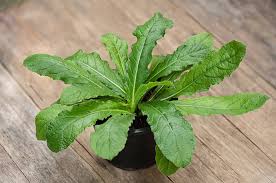 Image Courtesy : halodoc.com
Furthermore, tapak liman contains numerous bioactive compounds, including flavonoids, sesquiterpene lactones, saponins, tannins, alkaloids, and phenolic compounds, which contribute to its medicinal properties. These compounds exhibit antioxidant, anti-inflammatory, antimicrobial, hepatoprotective, diuretic, and immunomodulatory activities that help protect the body from oxidative stress and cellular damage. Due to its diverse chemical composition and biological activities, tapak liman continues to be cultivated and utilized as an important ingredient in herbal medicines and health-related products.
The benefits of elephant’s foot include:
Traditional Medicine
- Herbal remedies and traditional medicines (jamu): Tapak liman has long been used to help relieve fever, digestive disorders, inflammation, and urinary tract problems.
- Natural therapeutic agent: Its bioactive compounds may support liver function and strengthen the immune system.
- Traditional herbal preparations: The leaves and roots are commonly processed into herbal decoctions and medicinal extracts.
Pharmacy
- Herbal capsules and syrups: Tapak liman extract is incorporated into pharmaceutical products because of its antioxidant, anti-inflammatory, and hepatoprotective properties.
- Source of bioactive compounds: Active compounds such as flavonoids and sesquiterpene lactones are studied for pharmaceutical applications.
- Therapeutic formulations: The plant is used in products intended to support liver and urinary tract health.
Supplement
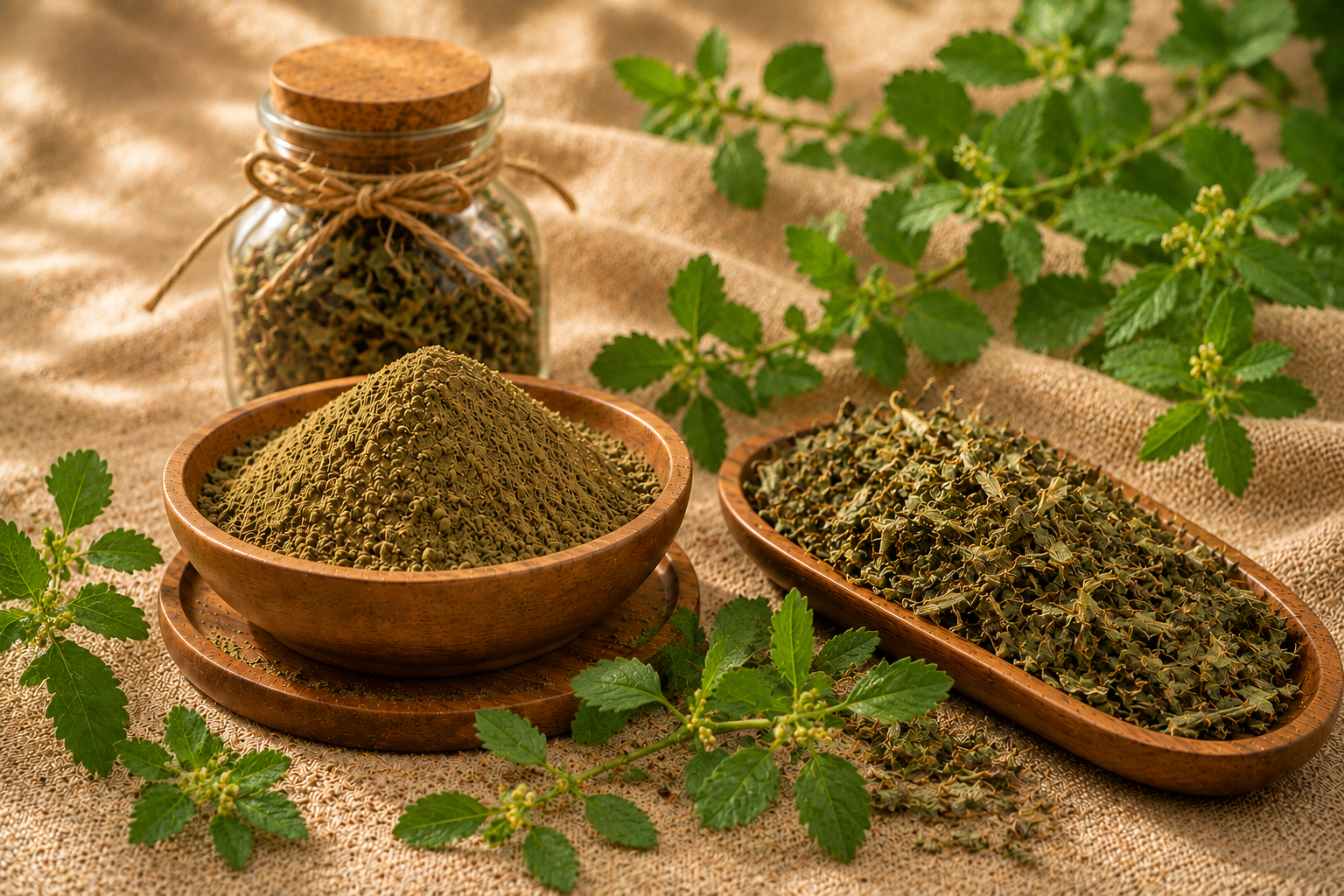
- Capsules and powdered supplements: Tapak liman is processed into dietary supplements to support immunity and overall health.
- Detoxification products: Its active compounds may help support liver and kidney function.
- Wellness supplements: Tapak liman is commonly incorporated into products intended to maintain vitality and general well being.