
African leaf (Vernonia amygdalina Delile) is a perennial shrub belonging to the Asteraceae family. Native to tropical Africa, it is widely cultivated in many tropical regions, including Southeast Asia, for its medicinal value. The leaves have a characteristic bitter taste and are rich in bioactive compounds such as sesquiterpene lactones, flavonoids, saponins, alkaloids, tannins, phenolic acids, steroids, and vitamins. These phytochemicals exhibit antioxidant, anti-inflammatory, antimicrobial, antidiabetic, and immunomodulatory activities, making African leaf a promising botanical source for pharmaceutical research and herbal medicine development.
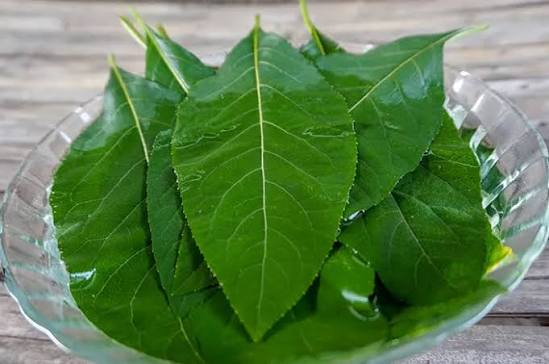
Sumber: Halodoc
Applications and Benefits in the Pharmaceutical Industry
- Used in antidiabetic formulations to support healthy blood glucose regulation.
- Incorporated into antioxidant products to help protect cells from oxidative stress and free radical damage.
- Studied for its anti-inflammatory properties to support the treatment of inflammatory conditions.
- Investigated for its antimicrobial and antiparasitic activities against various bacterial, fungal, and parasitic pathogens.
- Explored for its potential anticancer properties, with studies examining its ability to inhibit the growth of certain cancer cells.
- Utilized in hepatoprotective formulations to help protect the liver from oxidative and chemical-induced damage.
- Studied for its cardioprotective effects, including support for healthy blood pressure and lipid metabolism.
- Investigated for its immunomodulatory activity, helping regulate and strengthen immune responses.
- Used as a source of natural bioactive compounds in the development of herbal medicines and pharmaceutical products.
- Continues to be researched for applications in metabolic disorders, infectious diseases, liver protection, and preventive healthcare.