
Citronella (Cymbopogon nardus), commonly known as fragrant lemongrass or citronella grass, is an aromatic plant widely cultivated in tropical regions, particularly in Southeast Asia. For centuries, citronella has been used not only as a traditional medicinal herb but also as an important source of essential oil. Owing to its distinctive fragrance and numerous biological properties, citronella has attracted considerable attention in the traditional medicine, pharmaceutical, food and beverage, cosmetic, and dietary supplement industries.
Citronella belongs to the Poaceae family and is characterized by its long, narrow leaves, fibrous roots, and strong citrus-like aroma. The plant thrives in warm and humid climates and is commonly cultivated in plantations for the extraction of essential oils. Traditionally, various parts of the plant are processed into herbal decoctions, essential oils, extracts, and powdered products to support health and well being.
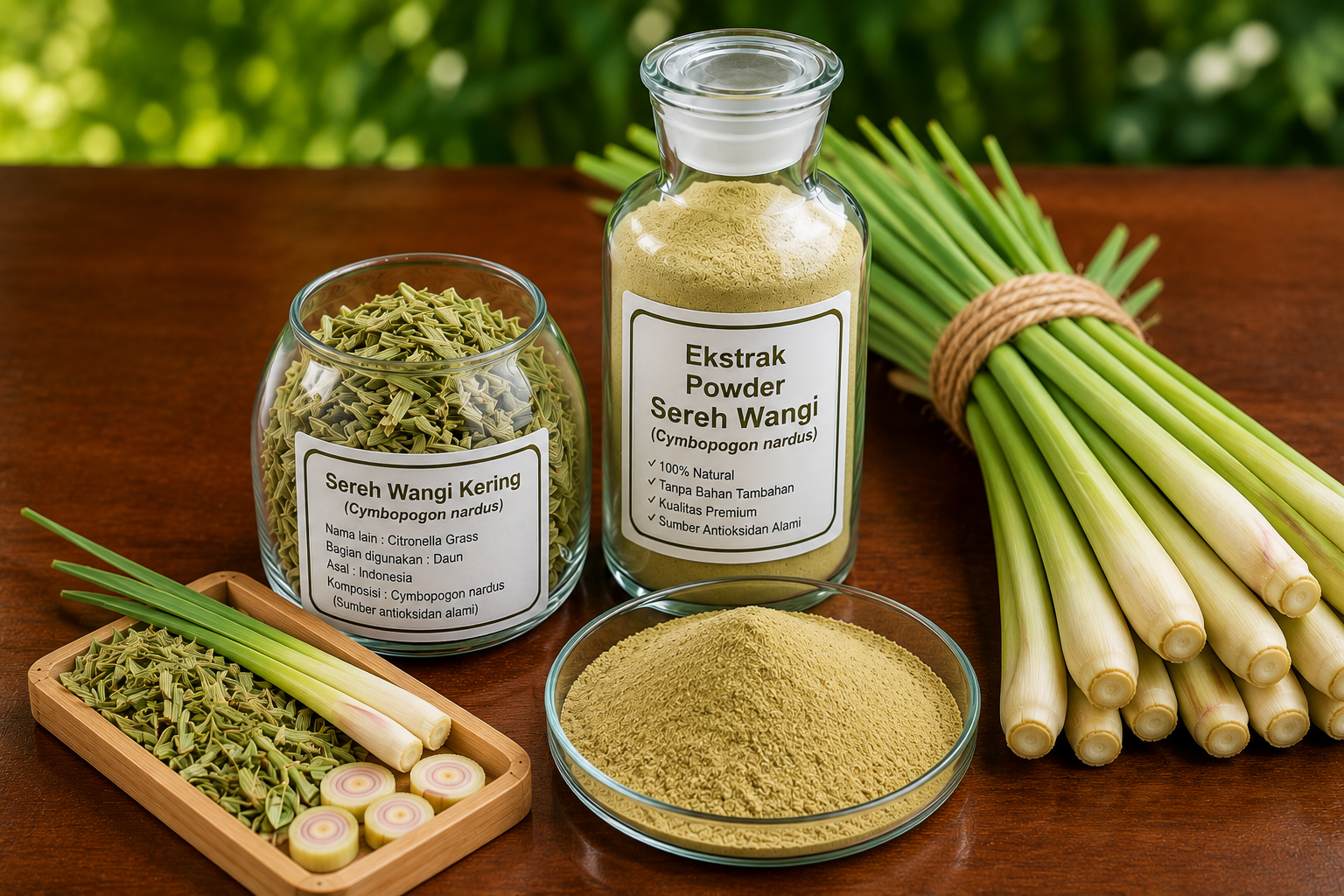
Furthermore, citronella contains numerous bioactive compounds, including citronellal, citronellol, geraniol, limonene, flavonoids, tannins, and phenolic compounds, which contribute to its medicinal properties. These compounds exhibit antioxidant, anti-inflammatory, antimicrobial, insect-repellent, and relaxing activities that help protect the body from oxidative stress and support normal physiological functions. Due to its rich phytochemical composition and broad biological activities, citronella continues to be utilized as an important ingredient in various health-related and commercial products.
The benefits of citronella (Cymbopogon nardus) by category include:
Traditional Medicine
- Helping relieve fatigue and muscle pain.
- Supporting digestive health and reducing stomach discomfort.
- Possessing anti-inflammatory properties that may help reduce inflammation.
- Helping maintain respiratory health.
- Acting as a natural insect repellent.
- Supporting overall health and well-being.
Pharmacy
- Serving as a source of natural antioxidant, antimicrobial, and anti-inflammatory compounds.
- Supporting the development of herbal medicines and therapeutic products.
- Helping inhibit the growth of certain bacteria and fungi.
- Contributing to the production of topical formulations and aromatherapy products.
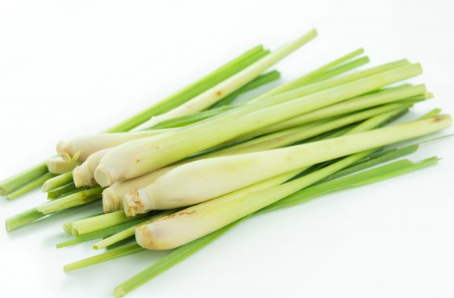 Image Courtesy : Alodokter.com
Food and Beverage (F&B)
- Being used as a natural flavoring and aromatic ingredient in foods and beverages.
- Enriching herbal teas, traditional drinks, and functional beverages.
- Helping improve the taste and freshness of food products.
- Providing natural antioxidant compounds.
Cosmetic
- Helping protect the skin from oxidative stress and environmental damage.
- Supporting skin cleansing and freshness.
- Being used as a natural fragrance in soaps, shampoos, perfumes, lotions, and skincare products.
- Helping control excess oil and maintain healthy skin.