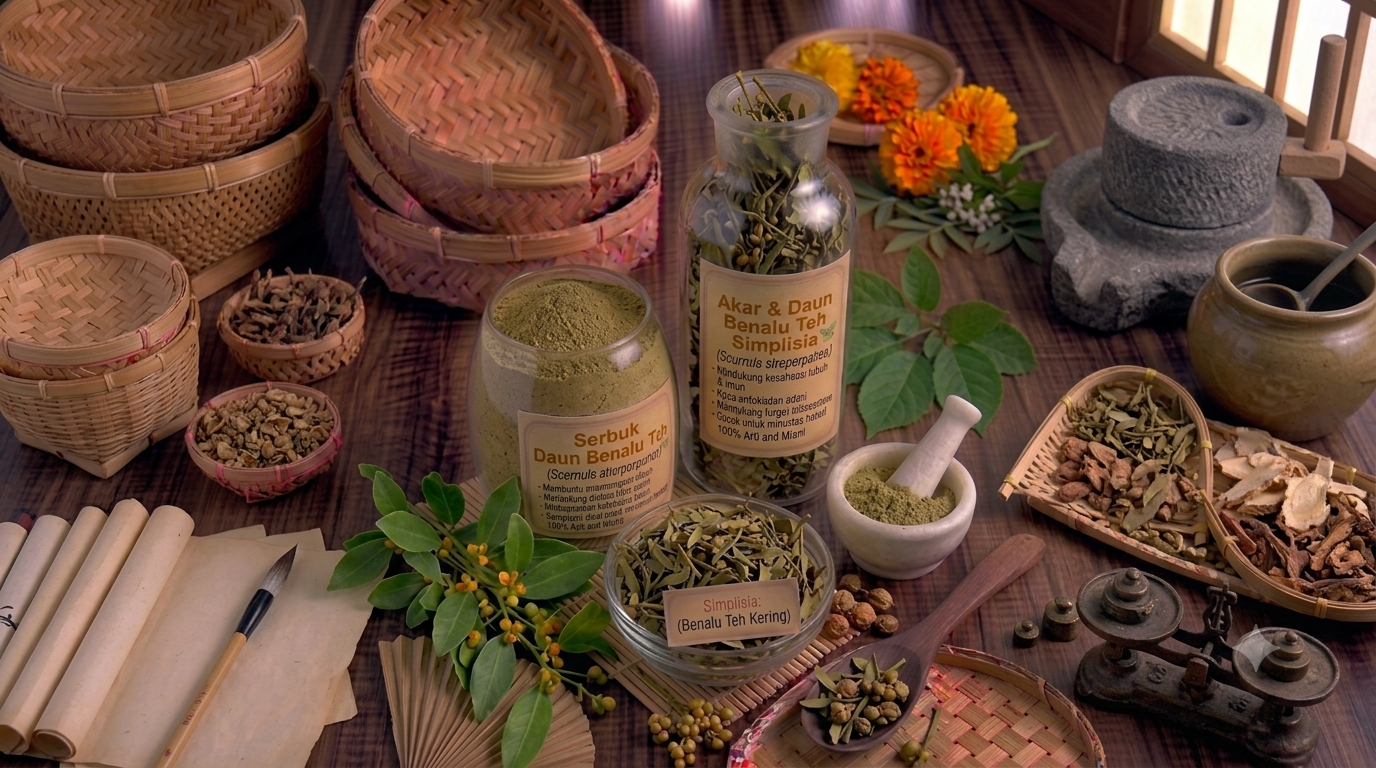
Tea mistletoe (Scurrula atropurpurea (Blume) Danser) is a semi-parasitic medicinal plant belonging to the Loranthaceae family. It commonly grows on tea plants (Camellia sinensis) and various other host trees in tropical regions, including Indonesia. In traditional medicine, tea mistletoe has long been used as a herbal remedy for maintaining health and treating various ailments. The plant contains a variety of bioactive compounds, including flavonoids (such as quercetin and quercitrin), phenolic compounds, tannins, saponins, triterpenoids, alkaloids, and polysaccharides. These phytochemicals exhibit antioxidant, anti-inflammatory, immunomodulatory, and cytoprotective activities, making tea mistletoe a promising natural source for pharmaceutical research and herbal medicine development.
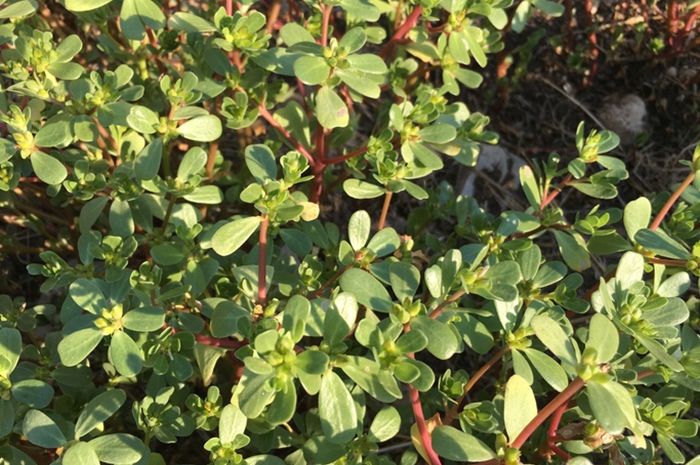
Sumber: Universitas Airlangga
Applications and Benefits in the Pharmaceutical Industry
- Used in antioxidant formulations to protect cells from oxidative stress and free radical damage.
- Incorporated into anti-inflammatory products to help manage inflammatory conditions.
- Studied for its potential anticancer properties, particularly the cytotoxic and antiproliferative effects of its flavonoids against certain cancer cell lines.
- Investigated for its immunomodulatory activity, helping regulate and support immune system function.
- Explored for antihypertensive effects, with studies suggesting support for healthy blood pressure regulation.
- Studied for its antidiabetic potential by helping maintain healthy blood glucose metabolism.
- Investigated for its hepatoprotective properties, helping protect liver cells from oxidative and chemical-induced damage.
- Explored for cardioprotective effects through its antioxidant and anti-inflammatory mechanisms.
- Used as a source of natural bioactive compounds for the development of herbal medicines and pharmaceutical products.
- Continues to be researched for applications in oncology, metabolic disorders, cardiovascular health, and preventive medicine.