
Noni Leaf (Morinda citrifolia L.)
Noni leaf (Morinda citrifolia L.) is a medicinal plant belonging to the Rubiaceae family and is widely distributed throughout tropical regions, including Indonesia, Southeast Asia, the Pacific Islands, and Australia. While the noni fruit is more commonly known, the leaves have also been extensively used in traditional medicine due to their rich content of bioactive compounds and various health-promoting properties.
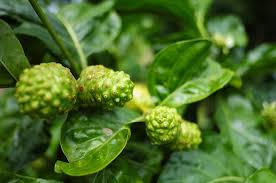 Image Courtesy : Halodoc.com
The benefits of citronella grass include:
Noni leaves are characterized by their large, glossy, dark green appearance and have long been utilized in herbal remedies. Traditionally, the leaves are consumed as herbal teas, decoctions, poultices, or extracts to help maintain health and support the treatment of various ailments. In many cultures, noni leaves are valued for their role in promoting overall wellness and supporting the body’s natural healing processes.
Furthermore, noni leaves contain numerous phytochemicals, including flavonoids, alkaloids, iridoids, phenolic compounds, tannins, saponins, and terpenoids. These bioactive compounds contribute to the plant’s antioxidant, anti-inflammatory, antimicrobial, and immunomodulatory activities. The presence of these compounds has attracted significant interest from researchers and industries seeking natural ingredients for health-related products.
Traditional Medicine
- Traditionally used to help reduce inflammation and discomfort.
- Supports immune system function.
- Helps maintain digestive health.
- May promote wound healing and skin recovery.
- Supports overall health and wellness.
Pharmaceutical
- Serves as a source of bioactive compounds such as flavonoids, iridoids, and phenolic compounds.
- Exhibits antioxidant activity that helps protect cells from oxidative stress.
- Possesses anti-inflammatory properties.
- Demonstrates antimicrobial activity against certain microorganisms.
- Has potential applications in the development of plant-based pharmaceutical products.
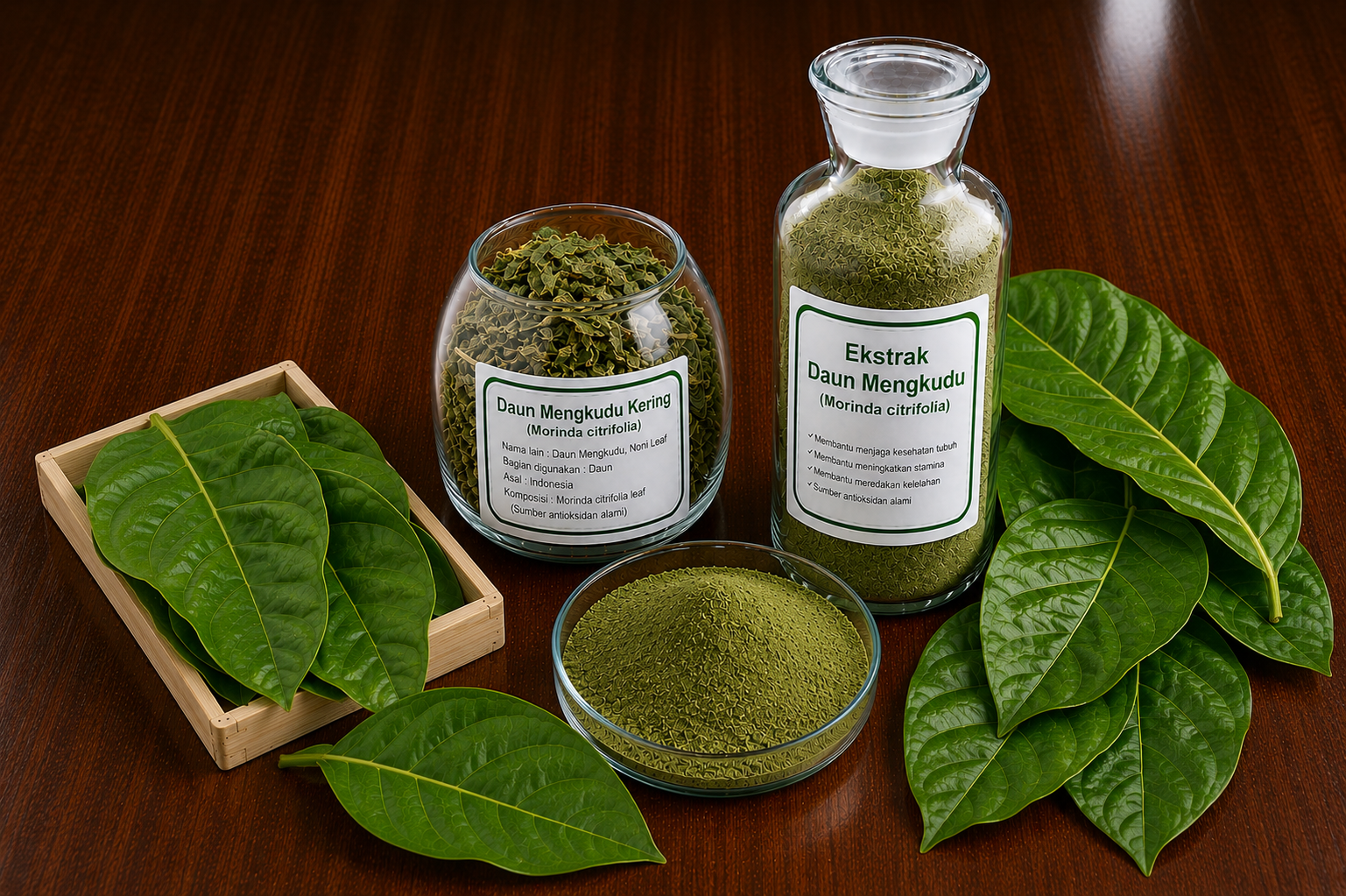
Food and Beverage (F&B)
- Can be processed into herbal teas and functional beverages.
- Provides natural antioxidant compounds.
- Supports the development of health-oriented food products.
- Can be used as an ingredient in herbal and wellness drinks.
- Contributes beneficial phytochemicals to functional foods.
Cosmetic
- Helps maintain healthy skin through antioxidant protection.
- Supports skin hydration and overall skin condition.
- May promote wound healing and skin regeneration.
- Possesses antimicrobial properties beneficial for skincare formulations.
- Used in herbal and natural cosmetic products.
Supplement
- Serves as a natural source of antioxidants and phytochemicals.
- Supports immune health and overall wellness.
- Helps protect cells from free radical damage.
- Contributes to healthy aging and cellular protection.
- Used in dietary supplements and nutraceutical products.