
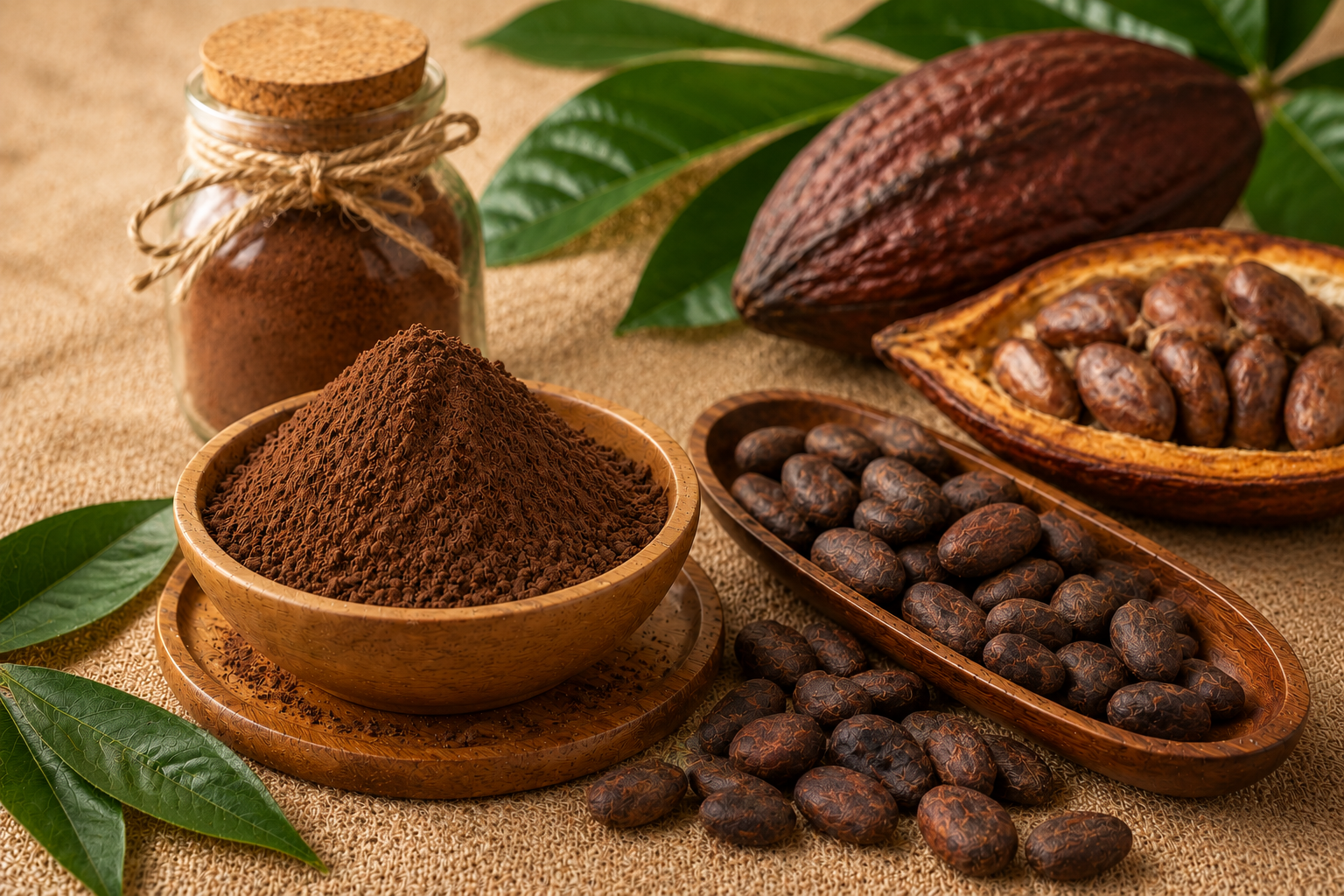
Cocoa (Theobroma cacao) is a tropical plant native to Central and South America and is now widely cultivated in many countries, including Indonesia. The name Theobroma cacao, which means “food of the gods,” reflects its high economic and nutritional value. Cocoa is primarily cultivated for its beans, which serve as the main raw material for chocolate and various food products. In addition to its culinary importance, cocoa has long been recognized for its potential health benefits due to its rich content of bioactive compounds.
 image courtesy: shutterstock.com
Cocoa beans contain numerous phytochemicals, including flavonoids, polyphenols, catechins, theobromine, caffeine, tannins, and antioxidants. These compounds exhibit antioxidant, anti-inflammatory, cardioprotective, and neuroprotective activities, which contribute to overall health and well-being. Cocoa also contains essential minerals, such as magnesium, potassium, phosphorus, and iron, making it a valuable ingredient in the food, pharmaceutical, cosmetic, and supplement industries.
The benefits of cocoa (Theobroma cacao) by category include:
Food and Beverage (F&B)
- Serving as the primary ingredient in chocolate, beverages, confectionery products, and functional foods.
- Providing natural antioxidants that help protect body cells from oxidative stress.
- Supporting cardiovascular health and blood circulation.
- Contributing to energy production and overall wellness.
- Enhancing flavor, aroma, and nutritional value in food products.
Pharmacy
- Serving as a source of flavonoids and polyphenols with antioxidant and anti-inflammatory properties.
- Helping protect body cells from free radical damage.
- Supporting cardiovascular and metabolic health.
- Contributing to the development of therapeutic and nutraceutical products.
- Providing bioactive compounds with potential health benefits.
Supplement
- Providing antioxidants that help maintain overall health.
- Supporting cardiovascular function and blood circulation.
- Helping improve mood and reduce fatigue.
- Contributing to physical fitness and well-being.
- Supporting metabolic health.
Cosmetic
- Helping protect the skin from premature aging and oxidative stress.
- Supporting skin hydration and elasticity.
- Possessing antioxidant properties that help maintain healthy skin.
- Being used in facial masks, creams, lotions, and personal care products.
- Helping soothe and nourish the skin.