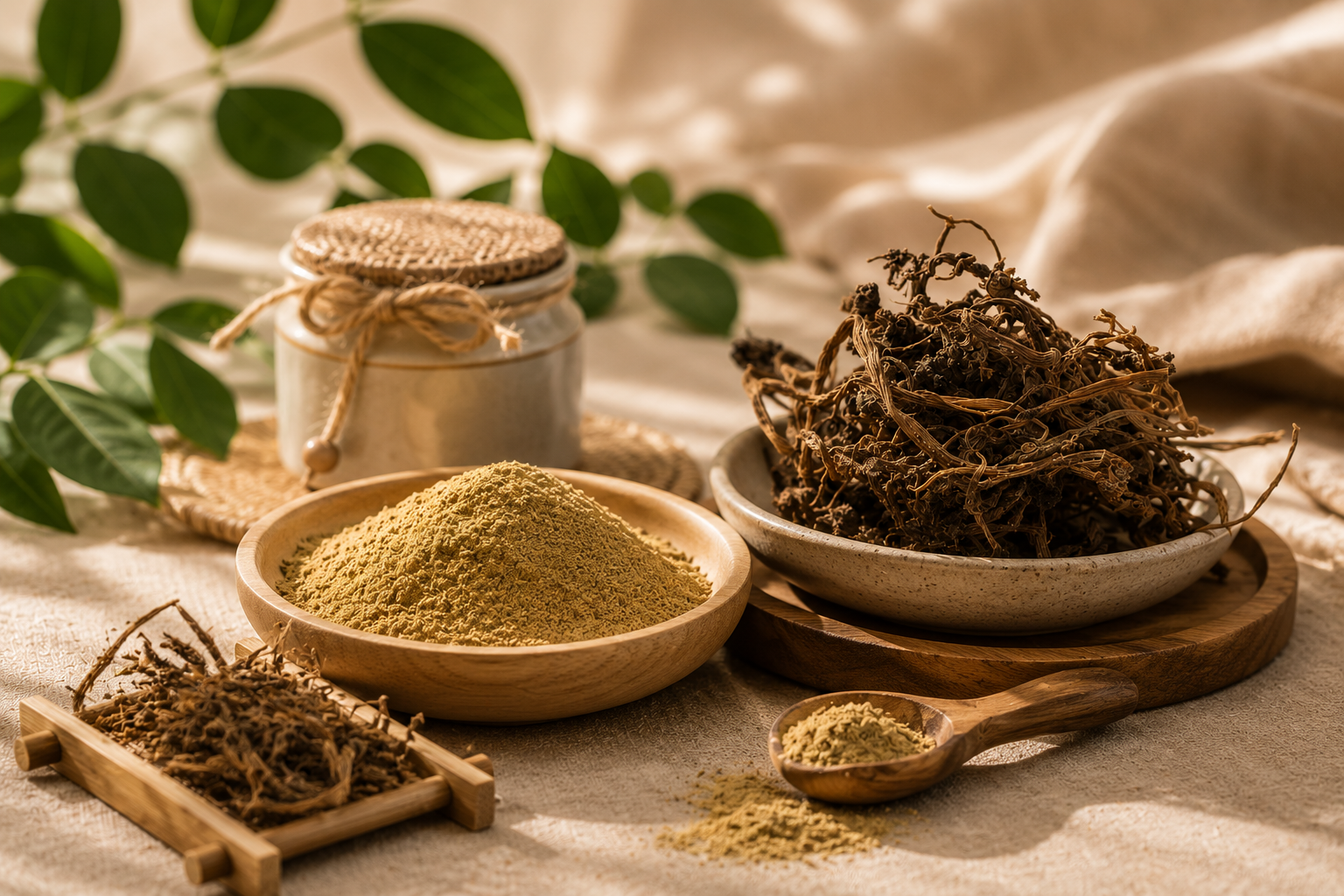
Ciplukan, a small plant with tiny fruits but great benefits and medicinal properties for humans. Originally, this plant—whose Latin name is Physalis angulata L. was a wild plant that grew among other plants or shrubs.
 Image Courtesy : 1001indonesia.net
Now, this plant is becoming increasingly well-known thanks to the properties and benefits found in ciplukan. Several studies have shown that ciplukan is proven to contain many compounds that are beneficial and beneficial to health, including saponins (in the shoots), flavonoids (leaves and shoots), polyphenols, tannins, and fisalin (fruit), Withangulatin A (fruit), palmitic and stearic acids, and elaidic acid. (seeds), alkaloids (roots), chlorogenic acid, C27H44O-H2O (stems and leaves), tannins (fruit), cryptoxanthin (fruit), vitamin C, and sugars (fruit).
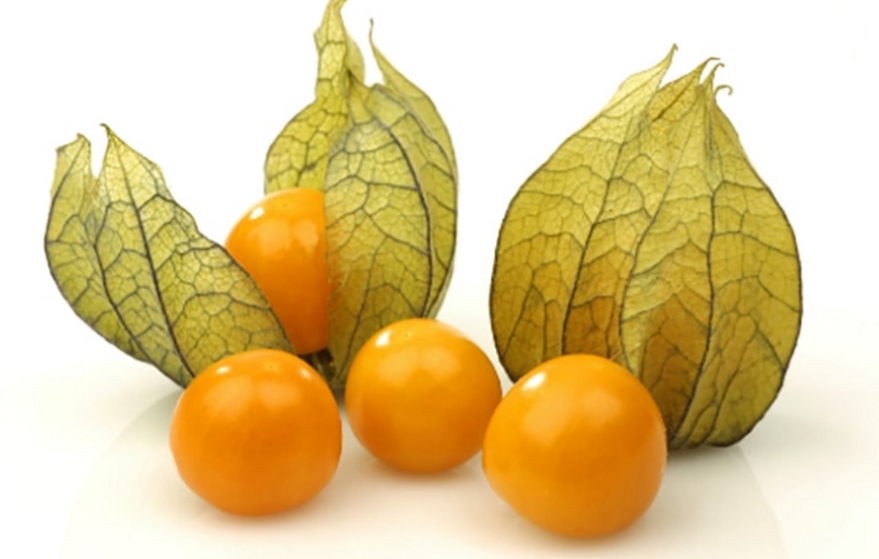 Image Courtesy : tribunnews.com
Some of the benefits of ciplukan as a medicinal plant include its anticancer, immunomodulatory, and antioxidant properties, as well as its ability to help maintain a healthy metabolism. Ciplukan contains various bioactive compounds, such as fisalin, flavonoids, and other antioxidants, which play an important role in protecting the body from various health issues. The fisalin content in ciplukan is known to have anticancer potential because it helps inhibit the growth of abnormal cells and maintain the health of the body’s cells.
Additionally, ciplukan possesses immunomodulatory properties that can help enhance and regulate the immune system’s response, thereby enabling the body to better fight off infections and diseases. The antioxidants it contains help protect the body’s cells from damage caused by free radicals and oxidative stress, which can trigger various degenerative diseases. Furthermore, ciplukan supports metabolic health by helping to maintain the balance of organ and bodily system functions. As a result, ciplukan has long been used in traditional medicine and is widely utilized as a raw material for supplements and natural health products.