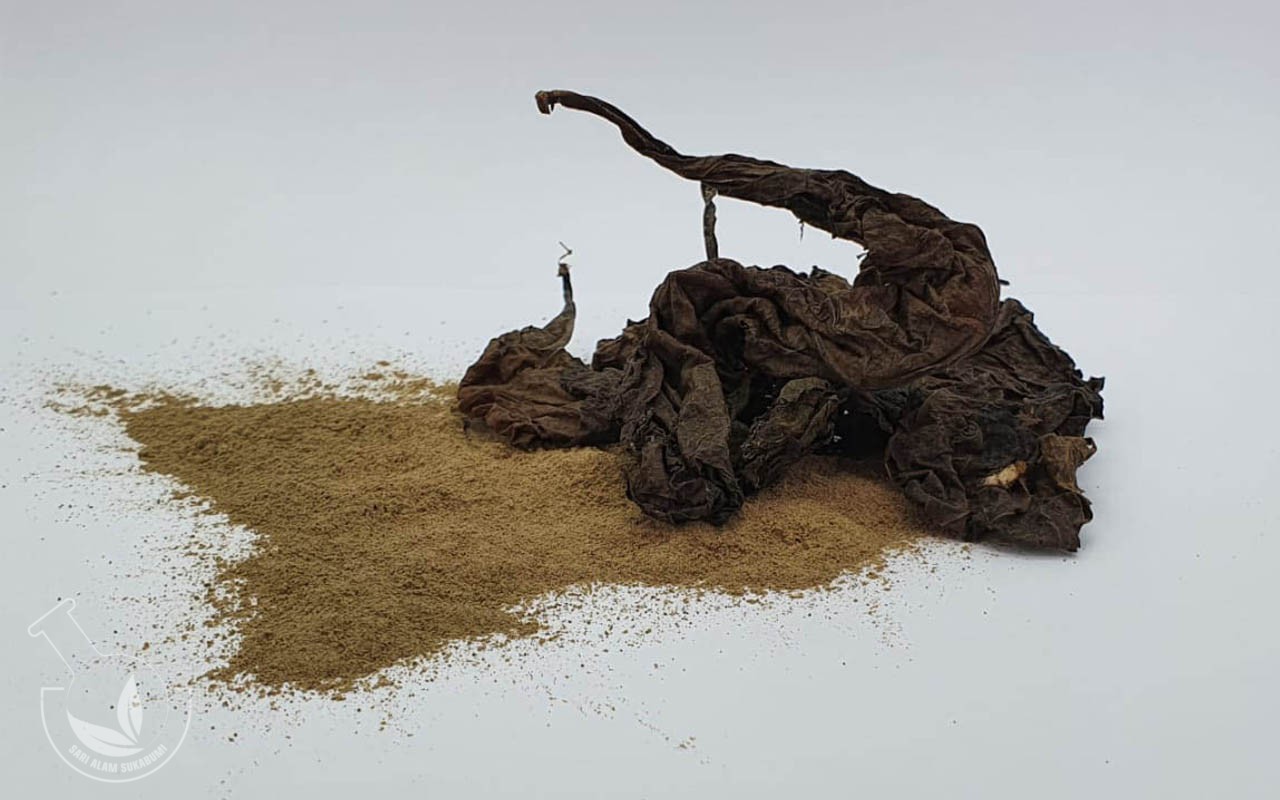
Purple leaf (Graptophyllum pictum) is a medicinal plant belonging to the family Acanthaceae. In Indonesia, it is known by various local names, including wungu, tulak, demung, kobi-kobi, and dongora. This wild plant is well adapted to a wide range of environments and can grow successfully in both lowland and highland areas.
Graptophyllum pictum is an erect shrub that typically grows to a height of approximately 2 meters and possesses a well-developed taproot system. Its stem is greenish-purple in color, while the bark and leaves contain a mucilaginous sap with a characteristic unpleasant odor. The leaves are arranged oppositely along the stem, are deep purple in color, and have a glossy surface. Mature leaves may reach up to 25 cm in length and 11 cm in width. The plant produces dark red flowers, whereas its fruits are purplish-brown when mature.
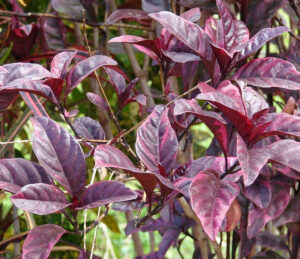
Image Courtesy : kompas.com
The leaves of purple leaf (Graptophyllum pictum) contain several important bioactive compounds, including steroids, glycosides, tannins, saponins, mucilage, chlorophyll, and non-toxic alkaloids. The stem of the plant contains fats, formic acid, and calcium oxalate.
The phytochemical constituents present in purple leaf exhibit various biological activities, including diuretic, anti-inflammatory, laxative, anti-dental plaque, and emollient properties. The leaves also possess analgesic activity, which may help relieve pain by inhibiting the formation of prostaglandins. Furthermore, the bioactive compounds found in Graptophyllum pictum leaves have demonstrated the ability to inhibit the growth of mutans streptococci bacteria, which are associated with dental caries. In traditional medicine, purple flowers are also believed to be effective in promoting menstrual flow.
 Image Courtesy : orami.co.id
The health benefits of purple leaf (Graptophyllum pictum) include its potential as an anti-inflammatory agent that helps prevent inflammation in body organs. It is traditionally used to relieve and treat hemorrhoids (piles), protect the kidneys from various disorders, and assist in the management of diabetes. Purple leaf is also believed to help facilitate childbirth, remove dental plaque, treat kidney stones by promoting their elimination through urine, and protect the liver from diseases such as hepatitis. Additionally, it is considered beneficial for skin rejuvenation, making it popular among women for maintaining healthy skin. The plant is also traditionally used to support wound healing and treat skin abscesses or boils.