
Noni (Morinda citrifolia), commonly known in Indonesia as mengkudu, is one of the most important medicinal plants in tropical regions and has been widely used in traditional medicine for centuries. The plant is well known for its numerous health benefits and has traditionally been utilized to help maintain overall health, improve endurance, and support the body’s natural healing processes. Owing to its pharmacological properties, noni has attracted considerable attention in the traditional medicine, pharmaceutical, food and beverage, cosmetic, and dietary supplement industries.
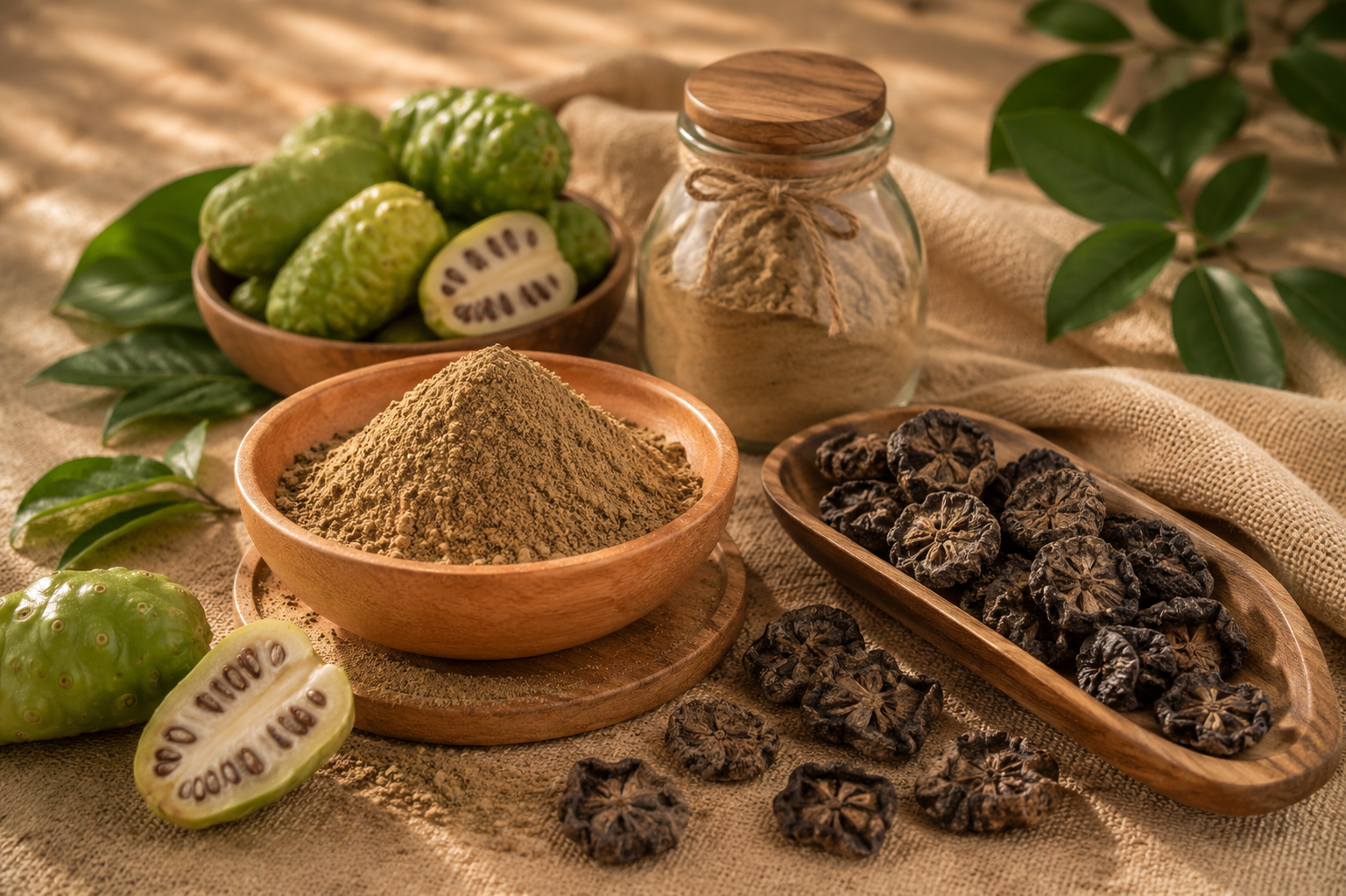
Noni belongs to the Rubiaceae family and is characterized by its glossy green leaves, white flowers, and distinctive fruits with a rough surface and strong aroma. The plant thrives in tropical and subtropical climates and can grow in various environmental conditions. Traditionally, different parts of the plant, including the fruit, leaves, roots, and bark, are processed into herbal decoctions, juices, powders, and medicinal extracts to support health and well-being.
Furthermore, noni contains numerous bioactive compounds, including flavonoids, alkaloids, scopoletin, iridoids, anthraquinones, polysaccharides, vitamin C, and phenolic compounds, which contribute to its medicinal properties. These compounds exhibit antioxidant, anti-inflammatory, antimicrobial, immunomodulatory, and hepatoprotective activities that help protect the body from oxidative stress and support normal physiological functions. Due to its diverse chemical composition and broad biological activities, noni continues to be cultivated and utilized as an important ingredient in herbal medicines and health-related products.
 Image Courtesy : alodokter.com
The benefits of noni fruit include:
Traditional Medicine
- Herbal remedies and traditional medicines (jamu): Noni has long been used to help maintain stamina, improve digestion, and support overall health.
- Natural therapeutic agent: Its bioactive compounds may help reduce inflammation and strengthen the immune system.
- Traditional herbal preparations: The fruit, leaves, and roots are commonly processed into herbal decoctions, juices, and medicinal extracts.
Pharmacy
- Herbal capsules and syrups: Noni extract is incorporated into pharmaceutical products because of its antioxidant and anti-inflammatory properties.
- Source of bioactive compounds: Active compounds such as scopoletin, iridoids, and flavonoids are extensively studied for pharmaceutical applications.
- Therapeutic formulations: The plant is used in products intended to support immune, cardiovascular, and metabolic health.
Food and Beverage (F&B)
- Herbal beverages and juices: Noni is widely processed into juices, herbal drinks, teas, and fermented beverages.
- Functional food ingredient: Its extract may be incorporated into products designed to support wellness and immunity.
- Health-promoting products: Noni is utilized in various functional foods and beverages.
Cosmetic
- Skincare products: Noni extract is incorporated into soaps, creams, masks, lotions, and anti-aging products because of its antioxidant properties.
- Protective ingredient: Its bioactive compounds help maintain skin elasticity and protect against environmental damage.
- Natural cosmetic formulations: The plant is utilized in products intended to support skin regeneration and hydration.
Supplement
- Capsules and powdered supplements: Noni is widely processed into dietary supplements to support immunity and overall health.
- Wellness products: Its active compounds may help maintain vitality and physiological balance.
- Functional supplements: Noni is commonly incorporated into products intended to maintain general well-being.