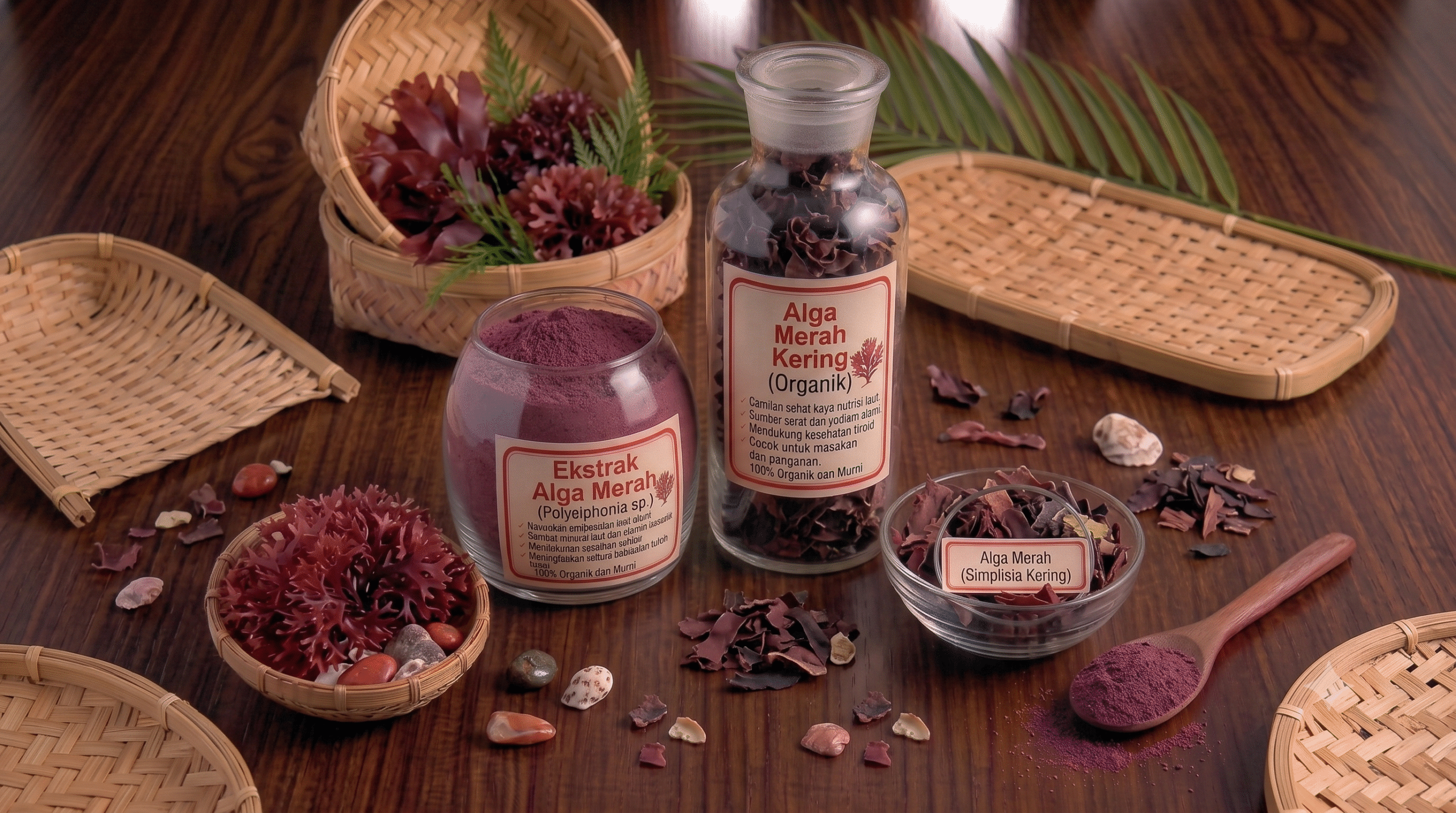
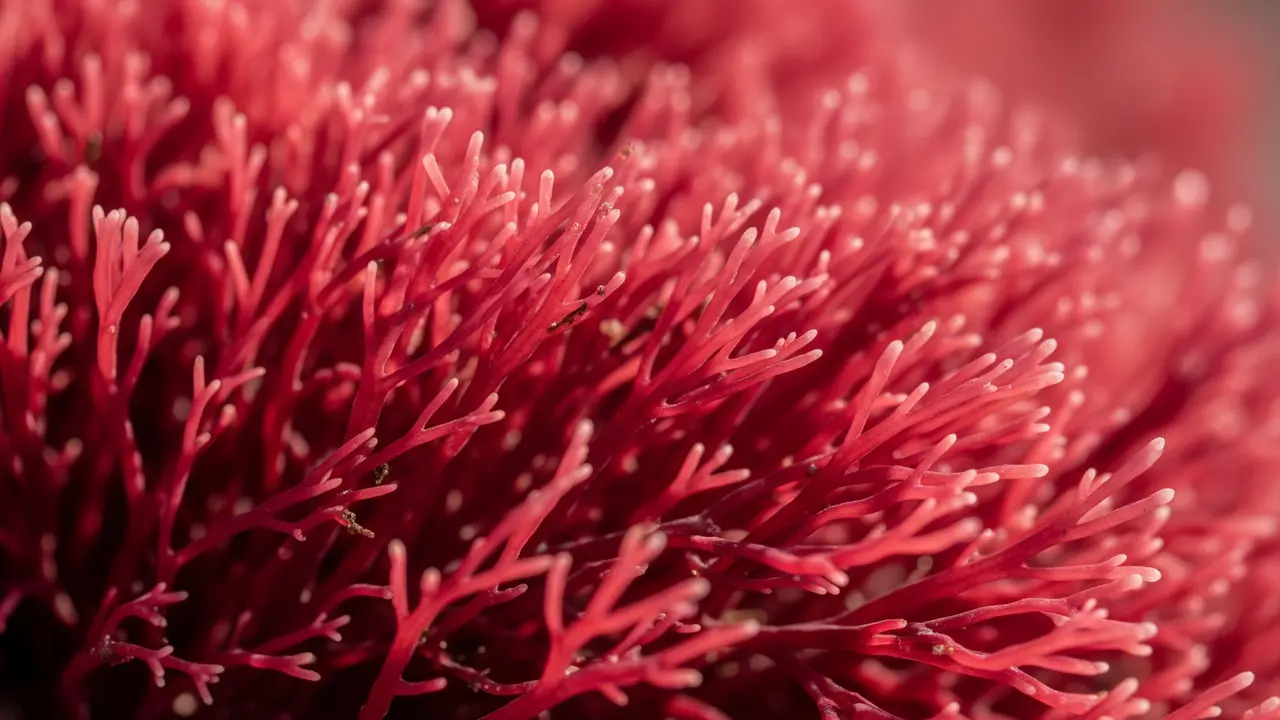
Red algae, scientifically known as Rhodophyta, are a group of marine algae that are predominantly found in oceans, especially in tropical and temperate coastal waters. Their distinctive red color comes from the pigment phycoerythrin, which enables them to absorb blue light and survive at greater depths than many other algae. Red algae have a simple body structure called a thallus and lack true roots, stems, and leaves.
There are more than 7,000 species of red algae worldwide, with well-known examples including Gracilaria, Gelidium, and Porphyra. Besides their ecological importance in marine ecosystems, red algae are highly valued for their nutritional content and industrial applications.
Sumber: Liputan6.com
Benefits of Red Algae in Food and Beverages
Red algae are widely utilized in the food and beverage industry due to their nutritional value and natural hydrocolloids, such as agar and carrageenan.
1. Natural Thickening and Gelling Agent
Red algae are the primary source of agar and carrageenan, which are commonly used to:
- Thicken soups, sauces, and dairy products.
- Produce jelly, pudding, and gummy candies.
- Improve the texture and stability of ice cream, yogurt, and chocolate milk.
2. Rich Source of Nutrients
Red algae contain various essential nutrients, including:
- Dietary fiber
- Vitamins A, C, E, and B-complex
- Minerals such as calcium, iodine, magnesium, potassium, and iron
- Antioxidants that help protect cells from oxidative stress
3. Healthy Food Ingredient
Because they are low in fat and calories while being high in fiber, red algae are commonly incorporated into:
- Healthy snacks
- Plant-based foods
- Functional foods designed to promote digestive and overall health
4. Beverage Stabilizer
Carrageenan extracted from red algae is widely used in beverages because it:
- Prevents ingredient separation.
- Enhances texture and mouthfeel.
- Maintains product consistency during storage.
5. Natural Plant-Based Alternative
As a natural ingredient, red algae are suitable for vegetarian and vegan products. Agar is frequently used as a substitute for animal-derived gelatin in desserts, beverages, and confectionery.