
Shallot (Allium cepa var. aggregatum)
Shallot (Allium cepa var. aggregatum) is a bulbous plant belonging to the Amaryllidaceae family and is widely cultivated throughout Asia, particularly in Indonesia. It is one of the most important horticultural crops due to its extensive use as a culinary ingredient and its long history in traditional medicine. In addition to its role as a food ingredient, shallot is recognized for its rich content of bioactive compounds that contribute to various health-promoting properties.
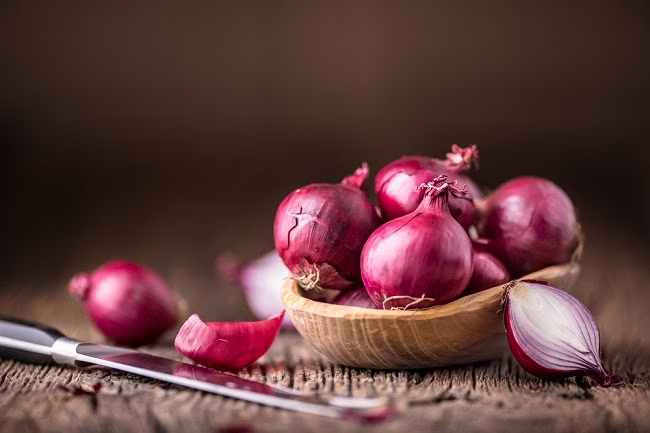
Shallot is characterized by its small clustered bulbs, pungent aroma, and distinctive flavor. Traditionally, it has been used to help relieve symptoms of colds, coughs, fever, and minor infections. Various parts of the plant, especially the bulbs, are utilized in herbal remedies, food products, and health-related applications.
Furthermore, shallot contains numerous phytochemicals, including quercetin, flavonoids, sulfur-containing compounds (such as allicin derivatives), phenolic compounds, and saponins. These bioactive compounds exhibit antioxidant, anti-inflammatory, antimicrobial, and protective biological activities. The presence of these compounds makes shallot valuable not only as a food ingredient but also as a raw material for pharmaceutical, cosmetic, and nutraceutical products.
Traditional Medicine
- Traditionally used to help relieve coughs and colds.
- Supports immune system function.
- Helps reduce inflammation.
- Possesses antimicrobial properties.
- May help maintain cardiovascular health.
Pharmaceutical
- Serves as a source of bioactive compounds such as quercetin, flavonoids, and sulfur-containing compounds.
- Exhibits antioxidant activity that helps protect cells from oxidative stress.
- Possesses anti-inflammatory properties.
- Demonstrates antimicrobial effects against certain bacteria and fungi.
- Has potential applications in the development of plant-based therapeutic products.
Food and Beverage (F&B)
- Widely used as a natural flavoring ingredient in food products.
- Enhances aroma and taste in culinary applications.
- Provides natural antioxidants beneficial to food products.
- Can be incorporated into functional foods and health-oriented products.
- Used in processed foods, seasonings, and food ingredients.
Cosmetic
- Used in certain hair care formulations to help maintain healthy hair.
- Provides antioxidant compounds beneficial for skin protection.
- May support scalp health due to its antimicrobial properties.
- Utilized in herbal and natural cosmetic products.
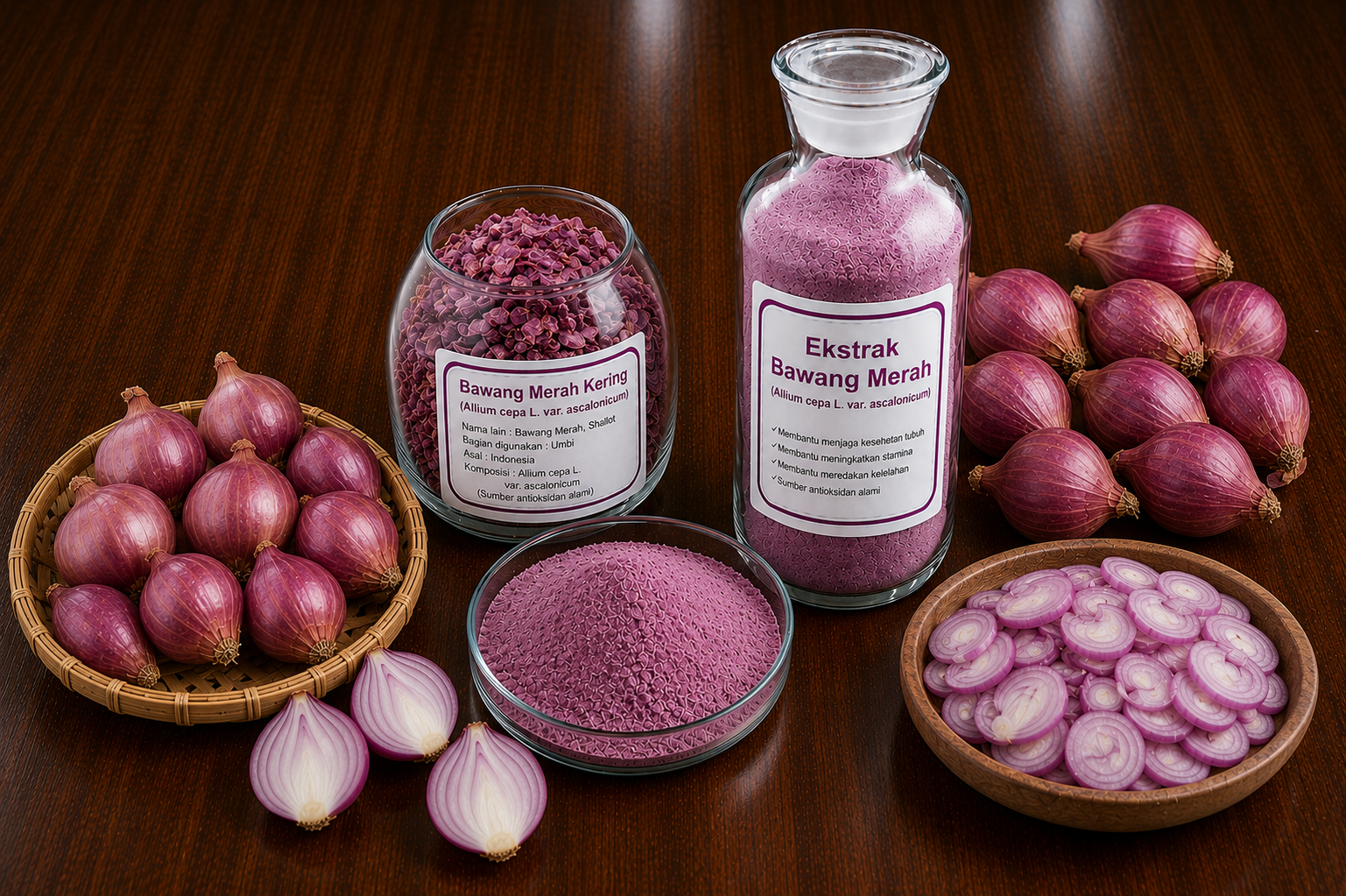
Image Courtesy : Alodokter.com
Supplement
- Used as a source of natural antioxidants.
- Supports immune health and overall wellness.
- Provides beneficial flavonoids and sulfur compounds.
- Helps protect cells from free radical damage.
- Incorporated into herbal dietary supplements.