
Sesame (Sesamum indicum) is one of the oldest oilseed crops cultivated in tropical and subtropical regions around the world. Native to Asia and Africa, sesame has been widely used as a food ingredient and traditional remedy for centuries. Sesame seeds are small, oval-shaped seeds that can be white, black, brown, or golden in color. They are valued for their rich nutritional composition and distinctive flavor, making them an important raw material in the food, pharmaceutical, cosmetic, and supplement industries.
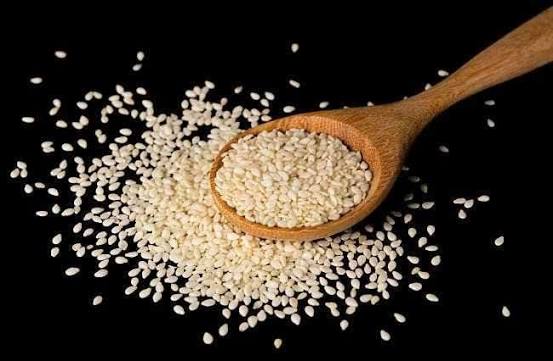 image courtesy: Alodokter.com
Sesame seeds contain numerous bioactive compounds, including lignans (sesamin and sesamolin), flavonoids, polyphenols, vitamin E, proteins, dietary fiber, and essential minerals such as calcium, magnesium, iron, phosphorus, and zinc. In addition, sesame is rich in unsaturated fatty acids, particularly oleic acid and linoleic acid, which contribute to its antioxidant, anti-inflammatory, and cardioprotective properties. Owing to its high nutritional value, sesame is commonly processed into oil, flour, powder extracts, health supplements, and personal care products.
The benefits of sesame (Sesamum indicum) by category include:
Food and Beverage (F&B)
- Serving as an ingredient in bakery products, confectionery, sauces, beverages, and functional foods.
- Providing healthy fats, proteins, vitamins, and minerals.
- Supporting cardiovascular health and maintaining healthy cholesterol levels.
- Contributing to energy production and overall nutritional balance.
- Enhancing flavor and texture in various food products.
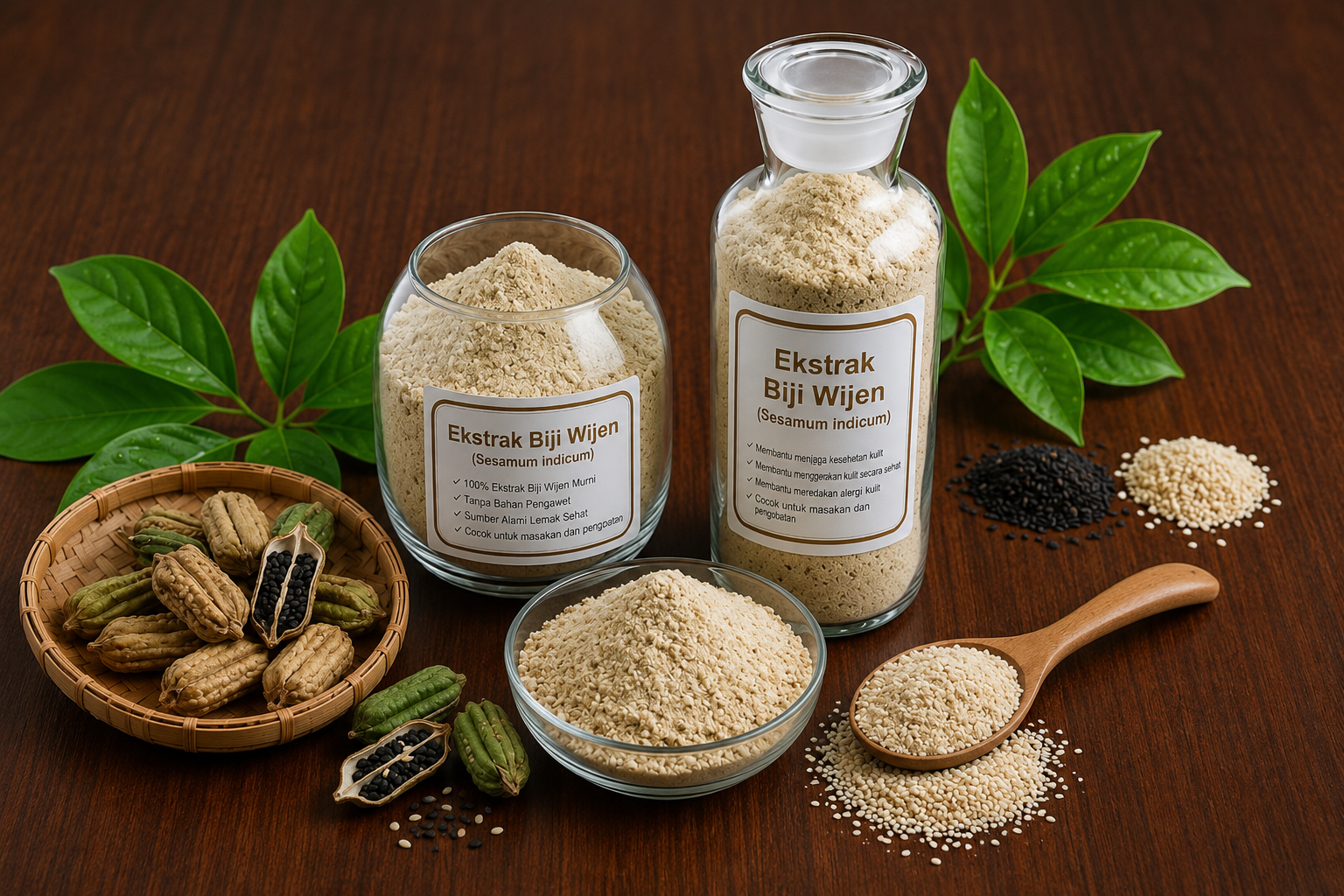
Pharmacy
- Serving as a source of antioxidant and anti-inflammatory compounds.
- Helping protect body cells from oxidative stress and free radical damage.
- Supporting cardiovascular and metabolic health.
- Contributing to the development of nutraceutical and therapeutic products.
- Providing essential nutrients for maintaining overall health.
Cosmetic
- Helping maintain skin hydration and elasticity.
- Supporting skin regeneration and protecting the skin from premature aging.
- Possessing antioxidant properties that help protect the skin from environmental damage.
- Being used in lotions, creams, soaps, shampoos, and skincare products.
- Helping nourish and strengthen hair.
Supplement
- Providing antioxidants, healthy fats, and essential minerals.
- Supporting bone health due to its calcium and phosphorus content.
- Helping maintain cardiovascular health and body metabolism.
- Supporting immune function and overall wellness.
- Contributing to physical fitness and vitality.