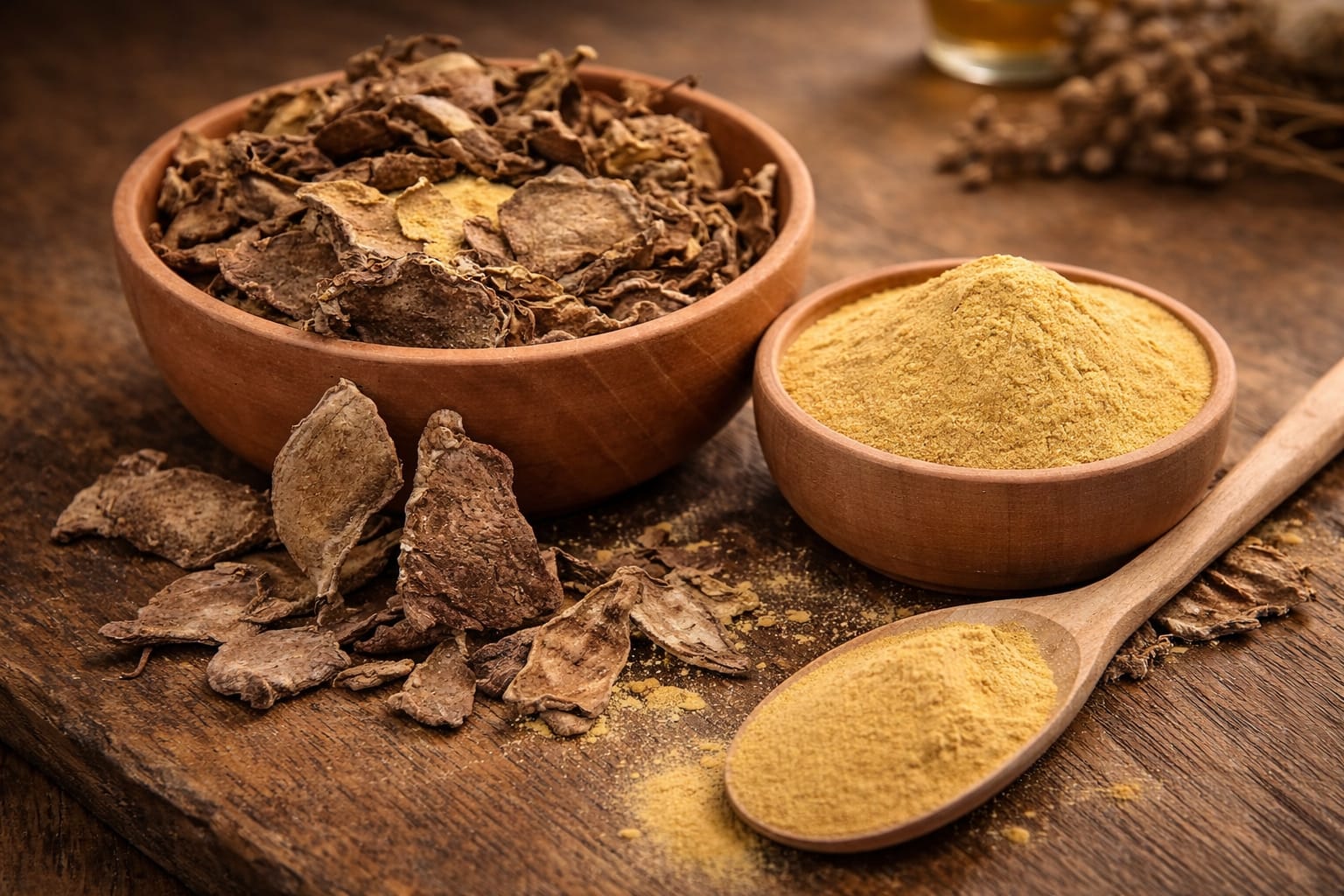
Turmeric (Curcuma longa) is a perennial herbaceous plant belonging to the Zingiberaceae (ginger) family. It is native to South and Southeast Asia and is widely cultivated in tropical regions, including Indonesia, India, Thailand, and Malaysia. Turmeric is well known for its bright yellow-orange rhizome, which has been used for centuries as a culinary spice, natural food coloring, and traditional herbal medicine.
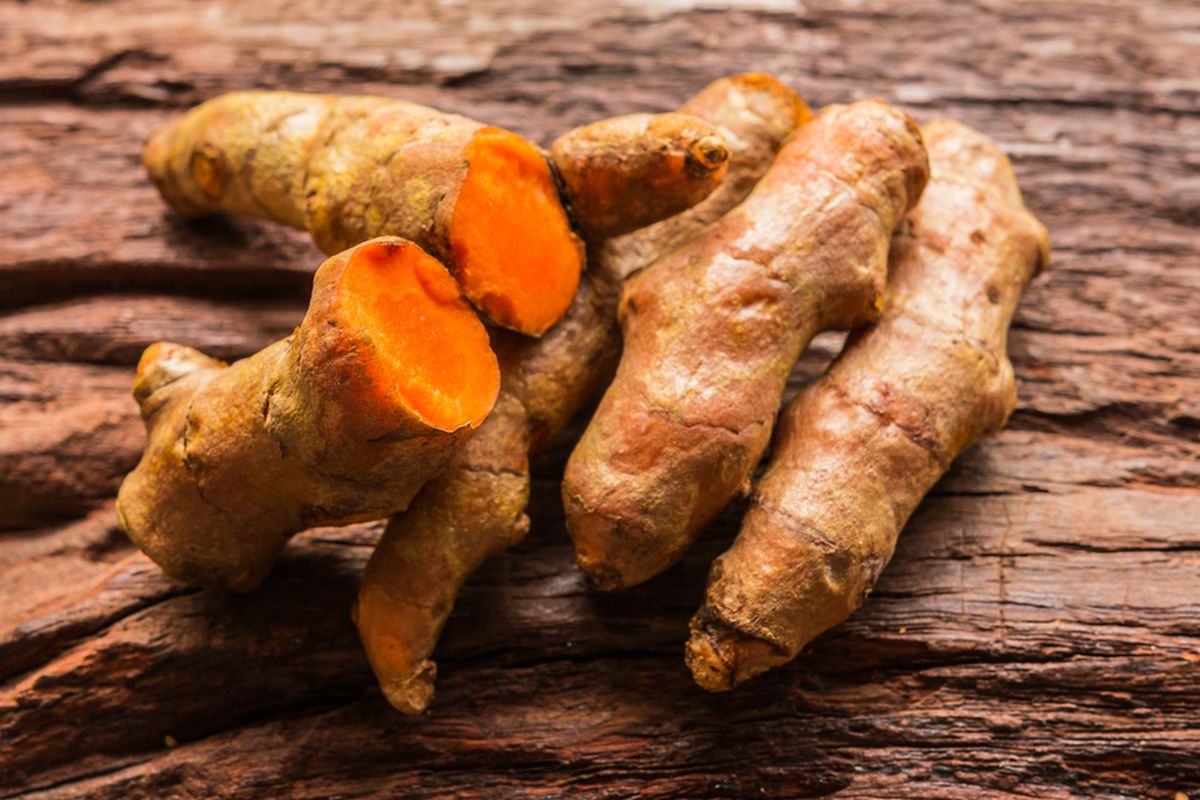
Sumber: Kompasiana.com
The plant typically grows to a height of 60–100 cm and has large, lance-shaped green leaves that arise directly from its underground rhizome. Turmeric produces pale yellow to white flowers arranged in dense spikes. The rhizome, which is the most valuable part of the plant, contains a variety of bioactive compounds, including curcuminoids (primarily curcumin), demethoxycurcumin, bisdemethoxycurcumin, and essential oils such as turmerone, atlantone, and zingiberene. Curcumin is considered the principal active compound responsible for most of turmeric’s medicinal properties due to its potent antioxidant and anti-inflammatory activities.
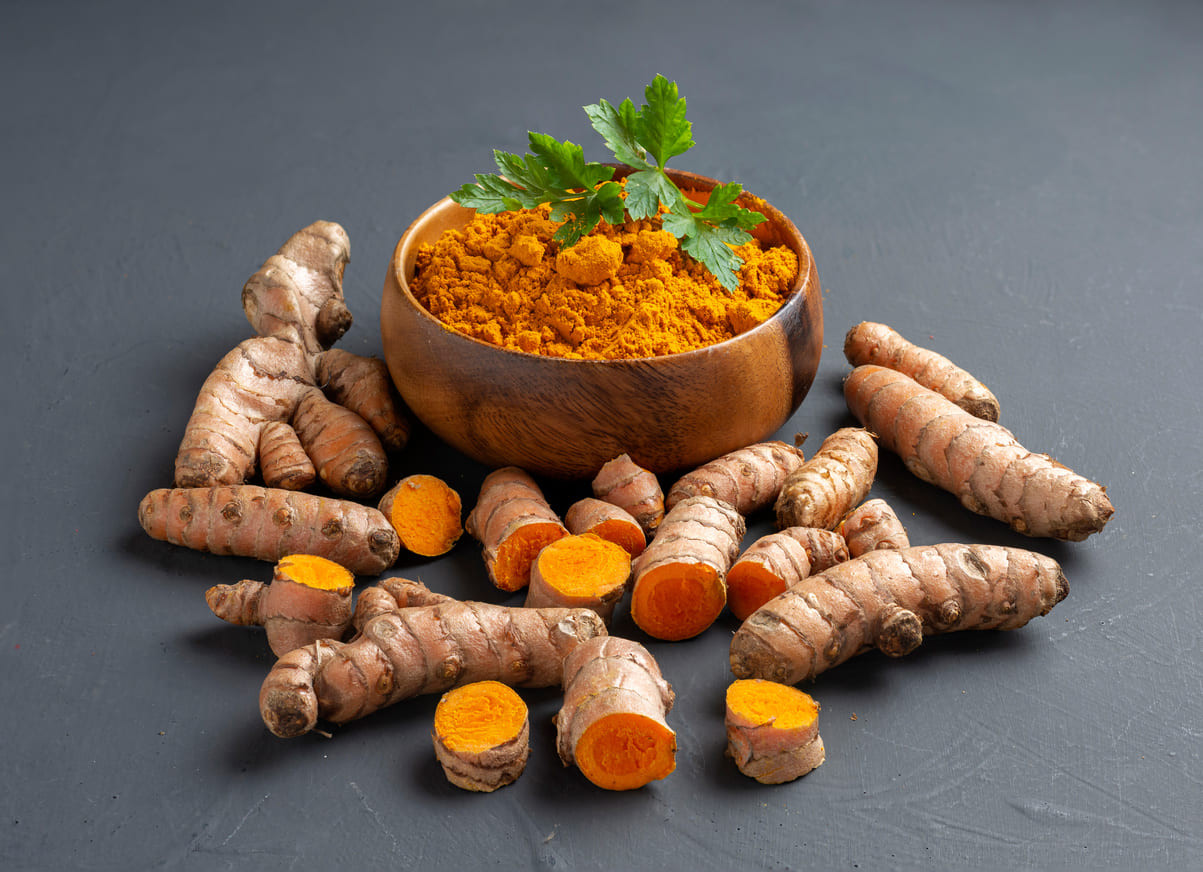 Sumber: Radar Kuningan
Health Benefits of Turmeric
Turmeric has been extensively studied for its nutritional and therapeutic properties and is widely recognized as a functional food with numerous health benefits. These include:
- Anti-inflammatory activity: Curcumin helps reduce inflammation by inhibiting inflammatory pathways and mediators, making it beneficial for inflammatory conditions such as arthritis.
- Powerful antioxidant: The bioactive compounds in turmeric neutralize free radicals and enhance the body’s natural antioxidant defense system, protecting cells from oxidative stress.
- Supports liver health: Turmeric exhibits hepatoprotective properties that help maintain liver function and protect liver cells from toxin-induced damage.
- Promotes digestive health: It stimulates bile production, aids digestion, and may relieve symptoms of indigestion, bloating, and gastrointestinal discomfort.
- Strengthens the immune system: Its immunomodulatory properties help support the body’s natural defense mechanisms against infections.
- Supports cardiovascular health: Turmeric may improve endothelial function, reduce oxidative stress, and help maintain healthy cholesterol levels.
- Helps regulate blood glucose: Studies suggest that curcumin may improve insulin sensitivity and contribute to better blood sugar control.
- Supports joint health: Its anti-inflammatory effects may help reduce joint pain and stiffness associated with osteoarthritis and rheumatoid arthritis.
- Potential anticancer properties: Experimental studies indicate that curcumin may inhibit the growth and spread of certain cancer cells, although further clinical research is required.
- Enhances brain health: Curcumin may promote cognitive function by increasing brain-derived neurotrophic factor (BDNF) levels and reducing neuroinflammation, potentially lowering the risk of neurodegenerative diseases