
Red ginger (Zingiber officinale var. rubrum) is a medicinal plant belonging to the Zingiberaceae family and is widely cultivated in tropical regions, particularly in Indonesia. Compared with common ginger, red ginger is characterized by its smaller rhizome, reddish skin, stronger aroma, and spicier taste. For centuries, red ginger has been used as both a culinary spice and a traditional remedy to maintain health and treat various ailments.
Red ginger contains numerous bioactive compounds, including gingerol, shogaol, zingerone, flavonoids, essential oils, phenolic compounds, and terpenoids. These phytochemicals exhibit antioxidant, anti-inflammatory, antimicrobial, and immunomodulatory properties that contribute to its medicinal value. In addition, red ginger is rich in vitamins and minerals, making it an important raw material in the food, pharmaceutical, cosmetic, and dietary supplement industries.
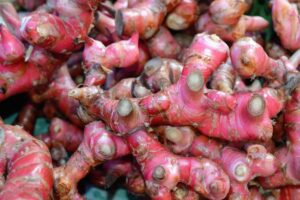 Image Courtesy : kompas.com
The benefits of red ginger (Zingiber officinale var. rubrum):
Traditional Medicine
- Helping relieve common cold symptoms, cough, flu, and sore throat. Red ginger has traditionally been used to alleviate respiratory discomfort and reduce symptoms associated with colds, including coughing, nasal congestion, and throat irritation.
- Helping warm the body and improve blood circulation. The bioactive compounds found in red ginger, particularly gingerol and shogaol, promote blood circulation and produce a warming effect.
- Helping maintain immune function and enhance stamina. Rich in antioxidants and essential phytochemicals, red ginger may support the body’s natural defense system and help reduce fatigue.
- Helping relieve nausea, bloating, and digestive disorders. Red ginger has long been utilized in traditional medicine to ease digestive discomfort and support healthy gastrointestinal function.
- Possessing anti-inflammatory and antioxidant properties that support overall health. The phenolic compounds and essential oils present in red ginger may help protect body cells from oxidative stress.
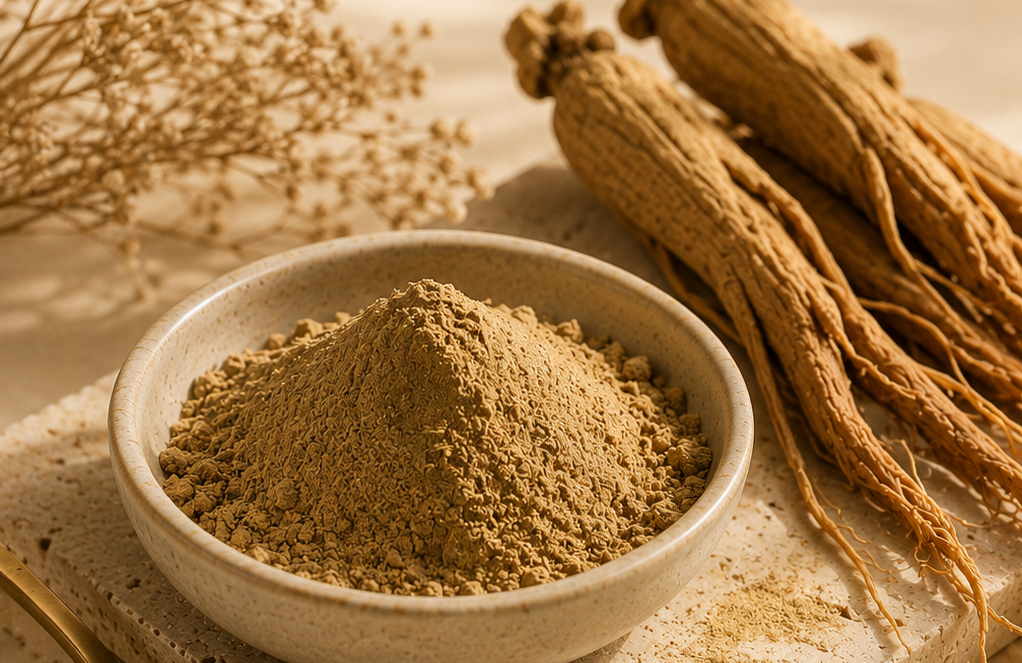
Food and Beverage (F&B)
- Serving as a natural flavoring and coloring agent in various food and beverage products. Red ginger is widely used in herbal drinks, teas, syrups, candies, and traditional beverages because of its distinctive spicy taste and aroma.
- Helping improve digestion and maintain metabolic health. The active compounds in red ginger stimulate digestive processes and support gastrointestinal function.
- Providing natural antioxidants that help protect body cells from free radical damage. These antioxidant compounds contribute to overall health and wellness.
- Helping maintain body warmth and increase energy levels. Red ginger beverages are commonly consumed to promote comfort and physical vitality.
- Enhancing the nutritional and functional value of food products. Its phytochemical content makes red ginger an important ingredient in functional foods and health-oriented beverages.
Supplement
- Helping improve stamina and physical endurance. Red ginger extract is commonly incorporated into dietary supplements designed to support energy and vitality.
- Supporting immune function and overall well-being. Its antioxidant and anti-inflammatory properties help strengthen the body’s natural defense mechanisms.
- Helping reduce fatigue and maintain physical fitness. Red ginger supplements may contribute to better endurance and recovery.
- Supporting digestive and metabolic functions. The bioactive compounds in red ginger help maintain healthy digestion and metabolism.
- Providing antioxidant compounds that protect body cells from oxidative stress. These compounds help preserve cellular health and support long-term wellness.