
Cinnamon (Cinnamomum verum Syn. Cinnamomum zeylanicum) is a spice-producing tree widely valued for its aromatic bark. It is characterized by its distinctive sweet, warm, and slightly spicy flavor and has been recognized for its culinary and medicinal properties for centuries. In addition to being widely used as a spice to enhance the flavor and aroma of food, cinnamon has long been utilized as a natural remedy in traditional medicine. Historically, ancient Egyptians considered cinnamon highly valuable and used it as one of the principal ingredients in the embalming process of their pharaohs due to its preservative and aromatic properties.
Several species of cinnamon are commonly used worldwide, including Ceylon cinnamon, Cassia cinnamon, and Saigon cinnamon. Ceylon cinnamon (Cinnamomum verum) is characterized by its light brown color, delicate texture, and mild, sweet flavor, making it the “true cinnamon” preferred for culinary and medicinal applications. Cassia cinnamon (Cinnamomum cassia), in contrast, has a darker brown bark, a harder texture, and a stronger, less sweet flavor. Saigon cinnamon (Cinnamomum loureiroi), which belongs to the Cassia group, has a sweeter and more intense flavor than common Cassia and is generally more expensive due to its high essential oil content and premium quality.
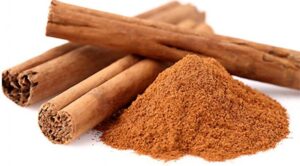 Image Courtesy : jatim.tribunnews.com
In the modern era, scientific research has increasingly supported the view that cinnamon (Cinnamomum spp.) serves not only as a culinary spice but also as a valuable natural health-promoting agent. Studies have demonstrated that cinnamon possesses a variety of biological activities, including antimicrobial, antiviral, antioxidant, and anti-inflammatory properties.
Research presented at the American Society for Microbiology Annual Meeting reported that incorporating 10% cinnamon extract into food was effective in inactivating viruses harmful to both humans and animals within 10 minutes under experimental conditions. Based on these findings, researchers suggested incorporating cinnamon into foods and beverages such as hot chocolate, pancakes, and smoothies as a practical way to increase its dietary intake. However, further clinical studies are needed to confirm its antiviral efficacy and optimal dosage in humans.
 Image Courtesy : agrowindo.com
In addition to its well known culinary applications, cinnamon (Cinnamomum spp.) has been associated with numerous potential health benefits. It is believed to enhance memory and cognitive function, while its aroma has been reported to improve concentration and mental performance. Cinnamon may also help relieve menstrual cramps and possesses antifungal properties, particularly against Candida species. Furthermore, experimental studies have suggested that cinnamon may inhibit the proliferation of leukemia and lymphoma cancer cells, exhibit anticoagulant (blood-thinning) effects, and act as a natural food preservative by suppressing bacterial growth and delaying food spoilage.
Cinnamon has also demonstrated antibacterial activity against pathogens such as Escherichia coli in unpasteurized fruit juices. Traditionally, it has been used as a natural remedy for headaches and migraines and has been found to help reduce bad breath due to the antimicrobial activity of cinnamaldehyde, the principal bioactive compound in cinnamon. In addition, cinnamaldehyde derived from Cassia cinnamon has been shown to activate antioxidant defense mechanisms that protect human intestinal epithelial cells, suggesting potential chemoprotective effects against colorectal cancer. While these findings are promising, many of these therapeutic effects require further clinical validation in humans.
