
Kencur (Kaempferia galanga) has long been recognized as one of the most valuable medicinal plants in Southeast Asia because of its diverse health benefits and wide range of industrial applications. Unlike turmeric, kencur is more commonly used both as a traditional remedy and as a culinary ingredient. For centuries, people in Indonesia and other Asian countries have utilized kencur as a natural medicine to relieve various ailments and maintain overall health.
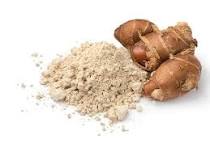
Image Courtesy : halodoc.com
Although kencur belongs to the same family as turmeric and ginger, it possesses distinct characteristics. The rhizome of kencur is relatively small, round, and aromatic, with white flesh and light brown skin. Kencur is well known for its strong and distinctive fragrance, which makes it popular not only in traditional medicine but also in the pharmaceutical, food and beverage, cosmetic, and supplement industries.
Kencur contains numerous bioactive compounds, including essential oils, flavonoids, ethyl p-methoxycinnamate, borneol, cineole, camphene, and various phenolic compounds. These substances exhibit antioxidant, anti-inflammatory, antimicrobial, analgesic, and digestive-supporting properties, making kencur a highly valuable natural resource.
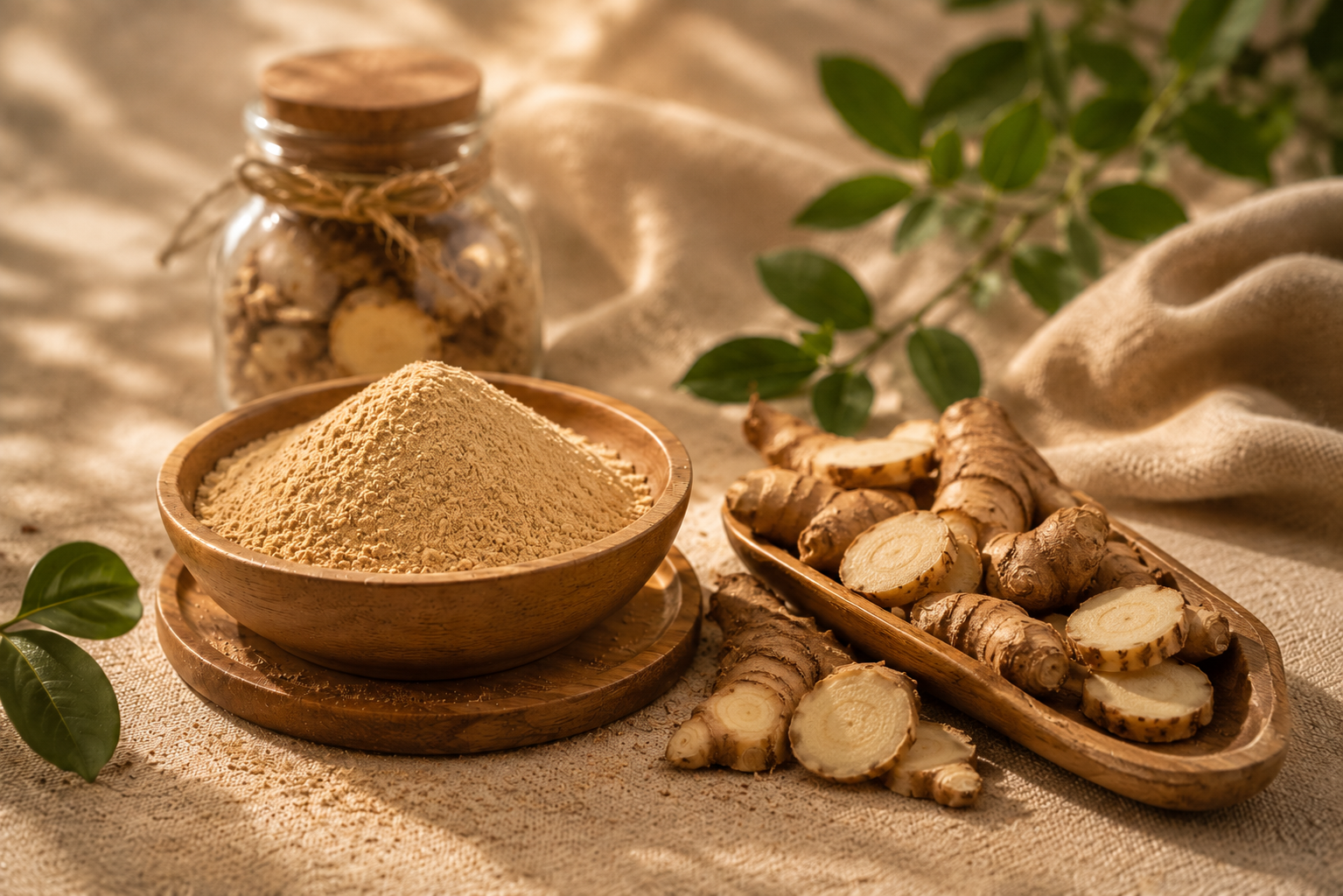
The benefits of kencur include:
Traditional Medicine
- Herbal remedies and traditional medicines (jamu): Kencur is widely used as a natural ingredient to help relieve digestive disorders, coughs, sore throats, muscle pain, and fatigue.
- Traditional beverages, such as beras kencur: The rhizome is processed into herbal drinks that are believed to improve appetite, increase stamina, and maintain overall health.
- Natural therapeutic agent: Its anti-inflammatory and antioxidant compounds support the body’s immune system and help reduce inflammation.
Pharmacy
- Herbal capsules and syrups: Kencur extract is incorporated into pharmaceutical products because of its antimicrobial, analgesic, and anti-inflammatory properties.
- Topical formulations: It is used in ointments, creams, and balms to help relieve muscle aches and minor skin irritations.
- Source of bioactive compounds: The essential oils and phenolic compounds found in kencur are studied for the development of natural medicines.
Food and Beverage (F&B)
- Herbal beverages and teas: Kencur is added to drinks for its distinctive flavor and its potential to support digestion and overall wellness.
- Flavoring ingredient: Its strong aroma and spicy taste make it a popular component in candies, seasonings, and functional foods.
- Health-oriented products: Kencur extract is incorporated into beverages and foods designed to promote stamina and digestive health.
Cosmetic
- Skincare products: Kencur is used in facial masks, soaps, lotions, and body scrubs because its antioxidant compounds help protect the skin from environmental damage.
- Anti-inflammatory agent: Its bioactive substances may help soothe irritated skin and reduce redness.
- Natural fragrance ingredient: The essential oils in kencur provide a distinctive aroma that is widely used in cosmetic and personal care products.
Supplement
- Capsules and powdered supplements: Kencur is processed into dietary supplements to support immunity and maintain overall health.
- Digestive supplements: Its active compounds may help improve gastrointestinal function and reduce digestive discomfort.
- Energy and wellness products: Kencur is frequently included in supplements aimed at increasing stamina, reducing fatigue, and promoting physical well-being.