
Mahkota dewa (Phaleria macrocarpa) is a medicinal plant native to Indonesia that has been widely used in traditional medicine because of its numerous health benefits. The plant is particularly popular for its fruit, which contains various bioactive compounds with therapeutic properties. For centuries, mahkota dewa has been utilized to help maintain overall health and support the treatment of several ailments. Due to its pharmacological potential, this plant has gained increasing attention in the traditional medicine, pharmaceutical, food and beverage, cosmetic, and dietary supplement industries.
Mahkota dewa belongs to the Thymelaeaceae family and is characterized by its small tree structure, glossy green leaves, and round fruits that turn bright red when ripe. Although the fruit is the most commonly used part of the plant, its leaves and seeds are also known to contain beneficial compounds. Traditionally, mahkota dewa has been processed into herbal decoctions, powders, and extracts to support immune function, maintain metabolic health, and promote general well being.
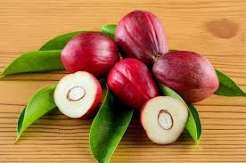
Image Courtesy : Alodokter.com
Furthermore, mahkota dewa contains numerous bioactive compounds, including flavonoids, alkaloids, polyphenols, saponins, tannins, and lignans, which contribute to its medicinal properties. These compounds exhibit antioxidant, anti-inflammatory, antimicrobial, antidiabetic, and immunomodulatory activities that help protect the body from oxidative stress and cellular damage. Owing to its diverse chemical composition and biological activities, mahkota dewa continues to be cultivated and utilized as an important raw material for herbal medicines and health-related products.
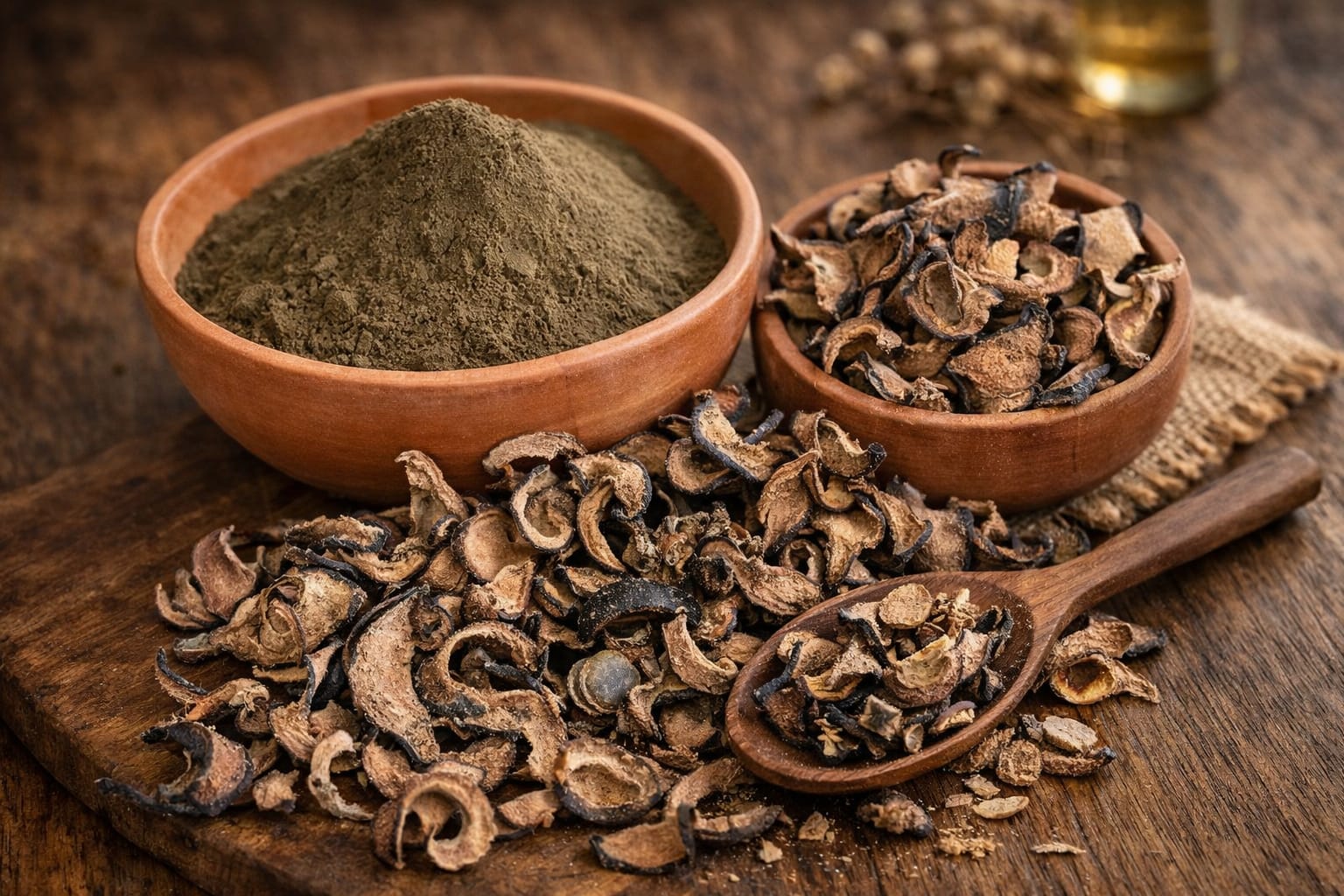
The benefits of Mahokta Dewa include:
Traditional Medicine
- Helping maintain oral health and freshen breath. Betel leaf has traditionally been used to help reduce bad breath, maintain oral hygiene, and support gum health because of its antimicrobial properties.
- Helping accelerate wound healing and reduce skin irritation. The bioactive compounds in betel leaf may help promote tissue regeneration and protect minor wounds from microbial infections.
- Possessing antimicrobial and antifungal properties. Betel leaf contains essential oils, flavonoids, tannins, and phenolic compounds that may inhibit the growth of certain bacteria and fungi.
- Helping relieve coughs, sore throats, and mild respiratory problems. Traditional remedies often use betel leaf to soothe throat irritation and support respiratory health.
- Possessing antioxidant and anti-inflammatory activities that help maintain overall health. Its phytochemical compounds may help protect body cells from oxidative stress and reduce inflammation.
Supplement Industry
- Providing antioxidant compounds that help protect body cells from free radical damage. Betel leaf contains phenolic compounds and flavonoids with antioxidant activity.
- Helping strengthen the immune system and maintain overall well-being. Its bioactive substances may support the body’s natural defense mechanisms.
- Helping maintain digestive health and metabolic function. Betel leaf supplements are sometimes used to support gastrointestinal health.
- Helping maintain oral and respiratory health. The antimicrobial properties of betel leaf may contribute to oral hygiene and respiratory comfort.
- Supporting general health and physical wellness. Betel leaf extracts are processed into capsules, powders, and herbal supplements intended to promote overall health.

