
Lemongrass (Cymbopogon citratus), commonly known as serai, is one of the most widely used aromatic and medicinal plants in tropical and subtropical regions, particularly in Southeast Asia. For centuries, lemongrass has been valued not only as a culinary spice and flavoring agent but also as a traditional remedy for various health conditions. Owing to its refreshing citrus aroma and numerous therapeutic properties, lemongrass has become an important raw material in traditional medicine, pharmaceutical products, food and beverages, cosmetics, and dietary supplements.
Lemongrass belongs to the Poaceae family and is characterized by its long, narrow leaves, fibrous stems, and distinctive lemon-like fragrance. Traditionally, the leaves and stalks of lemongrass have been consumed as herbal infusions and medicinal preparations to help relieve digestive disorders, reduce fever, alleviate muscle pain, and promote relaxation. In many Asian countries, lemongrass is also widely used as a natural flavoring agent in food and beverages because of its pleasant aroma and taste.
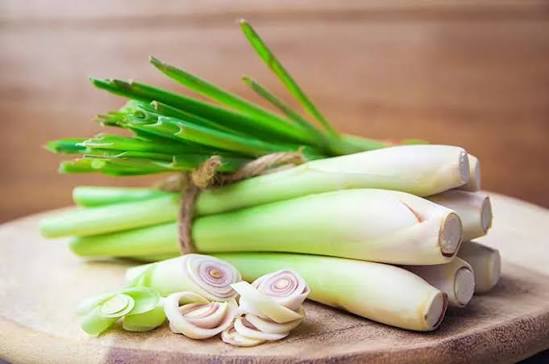 Image Courtesy : halodoc.com
Furthermore, lemongrass contains numerous bioactive compounds, including citral, citronellal, geraniol, limonene, flavonoids, saponins, tannins, and essential oils, which contribute to its medicinal properties. These compounds exhibit antioxidant, anti-inflammatory, antimicrobial, antifungal, analgesic, and calming activities that help protect the body from oxidative stress and support overall health. Due to its diverse chemical composition and broad biological activities, lemongrass continues to be cultivated and utilized as an important ingredient in herbal medicines, functional foods, skincare products, and health supplements.
The benefits of lemon grass include:
Traditional Medicine
- Herbal remedies and traditional medicines (jamu): Lemongrass has long been used to help relieve digestive disorders, fever, and muscle pain.
- Natural therapeutic agent: Its bioactive compounds may help reduce inflammation and support the immune system.
- Traditional herbal preparations: The leaves and stalks are commonly processed into herbal decoctions and medicinal teas.
Pharmacy
- Herbal capsules and syrups: Lemongrass extract is incorporated into pharmaceutical products because of its antioxidant, antimicrobial, and anti-inflammatory properties.
- Source of bioactive compounds: Active compounds such as citral and citronellal are studied for pharmaceutical applications.
- Therapeutic formulations: The plant is used in products intended to support digestive and respiratory health.
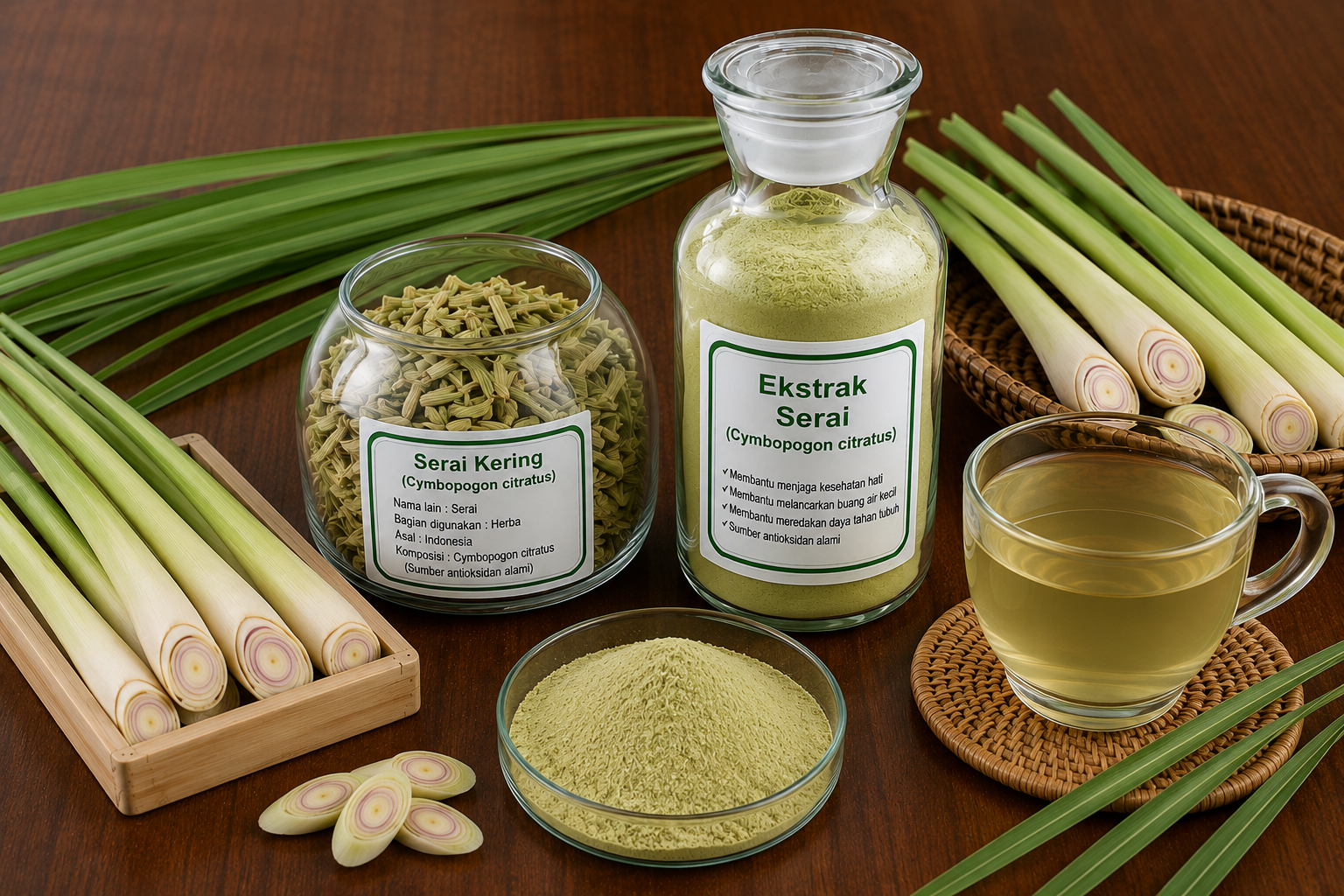
Food and Beverage (F&B)
- Flavoring ingredient: Lemongrass is widely used as a natural flavoring and aromatic ingredient in foods and beverages.
- Herbal beverages and teas: It is processed into herbal teas, juices, and health drinks because of its refreshing taste and aroma.
- Functional food ingredient: Lemongrass extract is incorporated into functional foods designed to support wellness and digestion.
Cosmetic
- Skincare products: Lemongrass extract and essential oil are widely used in soaps, lotions, shampoos, and facial cleansers.
- Natural fragrance ingredient: Its essential oils provide a refreshing citrus aroma for cosmetic and personal care products.
- Protective ingredient: Its antioxidant and antimicrobial properties help maintain skin and scalp health.
Supplement
- Capsules and powdered supplements: Lemongrass is processed into dietary supplements to support digestion and overall health.
- Relaxation and wellness products: Its active compounds may help promote relaxation and reduce fatigue.
- Detoxification supplements: Lemongrass is frequently incorporated into products intended to support the body’s natural detoxification process.