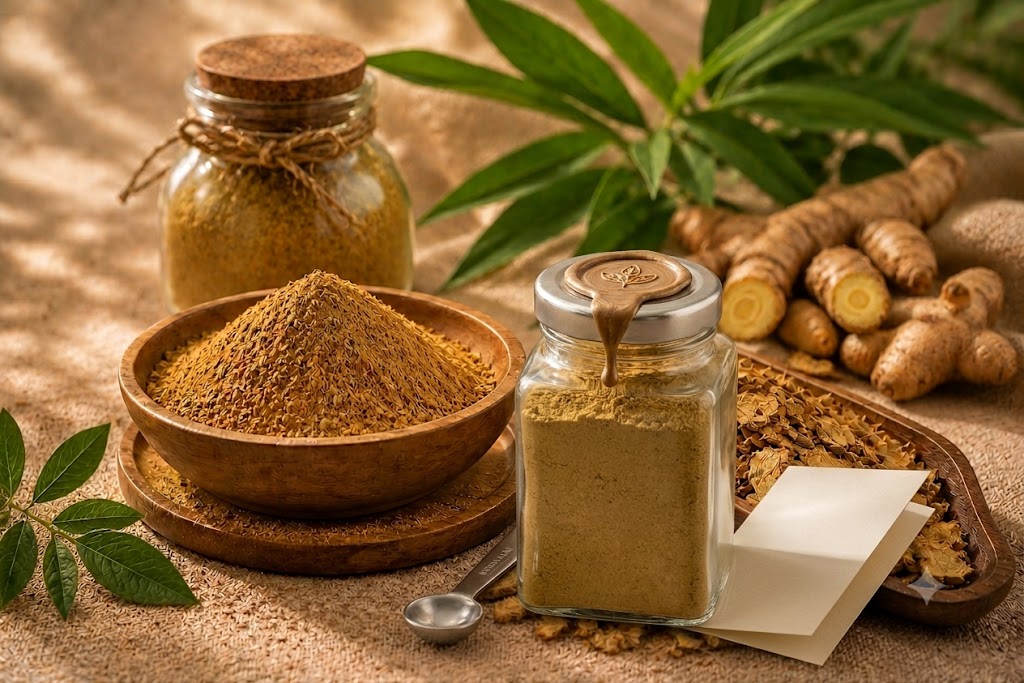
Fingerroot (Boesenbergia rotunda), commonly known as temu kunci, is a rhizomatous herb belonging to the Zingiberaceae (ginger) family. It is widely cultivated in Southeast Asian countries, including Indonesia, Thailand, and Malaysia, and has long been used as both a culinary spice and a traditional medicinal plant. The rhizome has a distinctive finger-like shape, a light brown skin, and yellowish-white flesh with a unique spicy, slightly peppery, and aromatic flavor.
Fingerroot is rich in bioactive compounds, including flavonoids, essential oils, pinostrobin, panduratin A, and polyphenols, as well as essential nutrients such as vitamins and minerals. These compounds contribute to its antioxidant, antimicrobial, and anti-inflammatory properties, making fingerroot a valuable ingredient in functional foods and beverages.
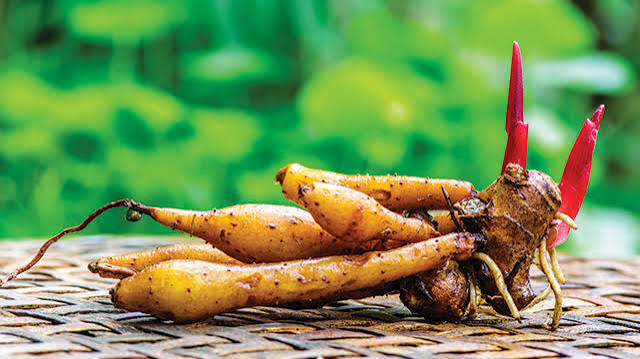
Sumber:Greeners.co
Benefits of Fingerroot in Food and Beverages
- Acts as a natural flavoring agent with a distinctive spicy and aromatic taste.
- Enhances the flavor of soups, curries, sauces, stir-fried dishes, and traditional cuisines.
- Used as an ingredient in herbal teas, functional beverages, and traditional health drinks.
- Rich in antioxidants and bioactive compounds, improving the nutritional value of food and beverages.
- Contains essential oils that contribute to its unique aroma and flavor.
- Exhibits natural antimicrobial properties, helping to improve food quality and shelf life.
- Suitable for use in functional foods and health-promoting beverages.
- Serves as a natural alternative to artificial flavorings in food formulations.
- Improves the sensory quality of food products through its characteristic aroma and taste.
- Commonly incorporated into spice blends, seasoning products, beverages, and traditional Southeast Asian dishes.